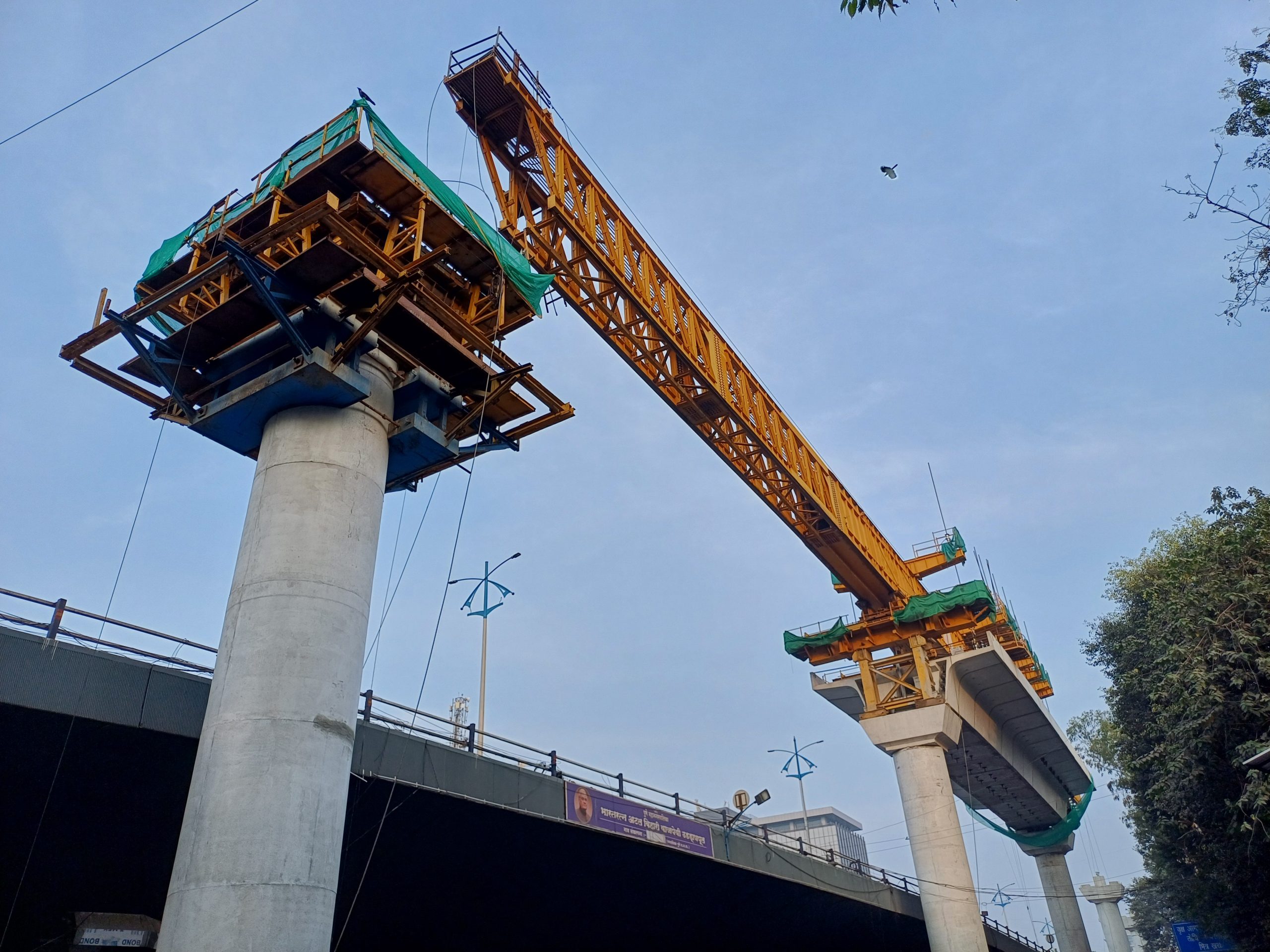


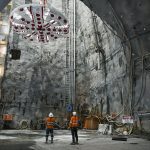
Pune Metro Pink Line has recently opened, yet six stations remain closed, impacting local commuters. The situation raises questions about accessibility and future developments for the metro network.
Overview of Pune Metro Pink Line
The Pune Metro Pink Line has been a significant development in the city’s transportation landscape, promising to enhance connectivity and reduce traffic congestion. This line is designed to link various key areas, making public transport more accessible to residents and visitors alike.
Despite the excitement surrounding its launch, the Pune Metro Pink Line opened with six stations still closed. This situation has raised concerns among commuters who were eager to utilize the newly inaugurated sections. The operational stations are expected to provide immediate relief to the crowded roadways, offering a fast and efficient alternative to traditional modes of transport.
Among the features that define the Pune Metro Pink Line are:
- Increased Accessibility: The line aims to connect underserved areas with major commercial and residential hubs.
- Environmental Benefits: By promoting the use of public transport, the line hopes to reduce the carbon footprint of the city.
- Economic Growth: Improved connectivity is likely to stimulate local businesses and attract investment in the region.
As the remaining stations prepare for opening, stakeholders are optimistic about the long-term benefits the Pune Metro Pink Line will bring to the city. Commuters await the complete rollout, which promises to transform daily travel in Pune.
Current Status of Closed Stations
The Pune Metro Pink Line has made significant strides in its development, but the current status of closed stations remains a crucial point of discussion. As of now, six stations along the Pink Line are closed to the public, impacting the overall accessibility and utility of the metro service.
These closed stations include:
- Shivaji Nagar
- Symbiosis
- Pimpri Chinchwad
- Hinjewadi
- Pune Airport
- Balewadi
The reasons for the closure vary, with ongoing construction work, safety inspections, and infrastructural challenges being the leading factors. Local authorities have assured the public that these stations will open in a phased manner, aiming to enhance the connectivity of the Pune Metro Pink Line.
In the interim, commuters are encouraged to utilize the operational stations, which maintain regular services. The Pune Metro Pink Line aims to alleviate traffic congestion and provide a reliable mode of transportation once all stations are operational. However, the current limitations pose challenges to commuters who rely on the metro for daily travel. The timely opening of these closed stations will be essential for maximizing the benefits of the metro system and ensuring that it meets the needs of the growing population in the region.
Impact on Commuters
The opening of the Pune Metro Pink Line has brought significant changes for commuters in the city, even as six stations remain closed. The operational segment of the Pink Line has improved connectivity, allowing passengers to experience faster travel times and ease of access across key areas.
Many commuters have reported a noticeable reduction in their daily travel duration. With the Pink Line’s efficient design, travel between major hubs has become more streamlined. The integration with other transport services, such as buses and auto-rickshaws, has also enhanced commuter convenience.
Feedback from users highlights several positive impacts:
- Increased Accessibility: The open stations have made it easier for residents to reach workplaces, educational institutions, and shopping centers.
- Reduction in Traffic Congestion: With more people opting for the metro, there is a marked decline in the number of vehicles on the road, contributing to less congestion.
- Cost-Effective Travel: The fares are competitive, making it an attractive alternative for daily commuters compared to other modes of transport.
While the full potential of the Pune Metro Pink Line can only be realized once all stations are operational, the current impact on commuters is undeniably positive, paving the way for a more efficient urban transit system.
Future Plans for the Metro
As the Pune Metro Pink Line continues to evolve, future plans aim to expand its reach and enhance the commuting experience for residents. With the recent opening of several stations, stakeholders are now focusing on strategies to address the currently closed stations while ensuring seamless connectivity across the city.
Key elements of the future plans include:
- Expanding Station Access: Efforts are underway to expedite the opening of the remaining six closed stations. This will significantly increase accessibility for commuters and help alleviate traffic congestion in key areas of the city.
- Enhancing Infrastructure: Upgrades to existing stations and the introduction of modern amenities are being prioritized. Enhanced facilities will improve the overall commuter experience on the Pune Metro Pink Line.
- Integrating with Other Transport Systems: Future initiatives will focus on creating links between the Pune Metro Pink Line and other public transport options, such as bus services and local trains, to facilitate a smoother transition for passengers.
- Community Engagement: The Pune Metro authorities plan to involve local communities in the decision-making process, ensuring that future developments meet the needs and expectations of residents.
With these future plans in place, the Pune Metro Pink Line is set to transform urban mobility in Pune, making it a vital component of the city’s transportation landscape.
Comparative Analysis with Other Cities
The launch of the Pune Metro Pink Line has sparked discussions about its operational efficiency, especially in comparison to metro systems in other cities. In cities like Delhi and Mumbai, the introduction of metro lines dramatically transformed urban mobility, facilitating smoother commutes and reducing traffic congestion.
One notable aspect of the Pune Metro Pink Line is the presence of several open stations while others remain closed. This contrasts sharply with cities such as Bangalore, where the entire network was operational upon launch, allowing for seamless travel and immediate benefits to commuters. In Delhi, the rapid expansion of metro services with all stations open has significantly influenced public transportation, making it a preferred mode for many.
Nevertheless, the situation in Pune presents both challenges and opportunities. While the closed stations may limit accessibility, they also provide a chance for the city to implement lessons learned from other metro systems. For instance, timely maintenance and community engagement during the implementation of the Pune Metro Pink Line could enhance public perception and ridership once all stations are operational.
Moreover, a comparative look at the impact of urban planning and public transport integration in cities like Kolkata shows that comprehensive strategies yield better outcomes. With continued efforts, the Pune Metro Pink Line could potentially reshape the city’s transport landscape, albeit gradually.
Government Response and Updates
The government has acknowledged the recent challenges surrounding the Pune Metro Pink Line, particularly regarding the impact of closed stations on commuter convenience. In response to public feedback and operational assessments, officials have pledged to expedite the opening of the remaining six stations. These stations are crucial for enhancing connectivity and ensuring that the full potential of the Pune Metro Pink Line is realized.
Transport Minister, in a recent statement, emphasized the importance of having all stations operational as soon as possible. He noted that the closed stations were a temporary setback and assured that ongoing construction and safety checks would conclude shortly. The government is committed to providing seamless transport solutions to the citizens of Pune.
In addition to operational updates, the government is also exploring various strategies to improve the overall experience for commuters on the Pune Metro Pink Line. Some of these strategies include:
- Implementing real-time tracking systems for better navigation.
- Increasing the frequency of trains to reduce waiting times.
- Enhancing the safety and security features at stations.
With these initiatives, officials hope to not only address current concerns but also to encourage more residents to utilize the metro system, thereby relieving traffic congestion and promoting a more sustainable urban transport model in Pune.