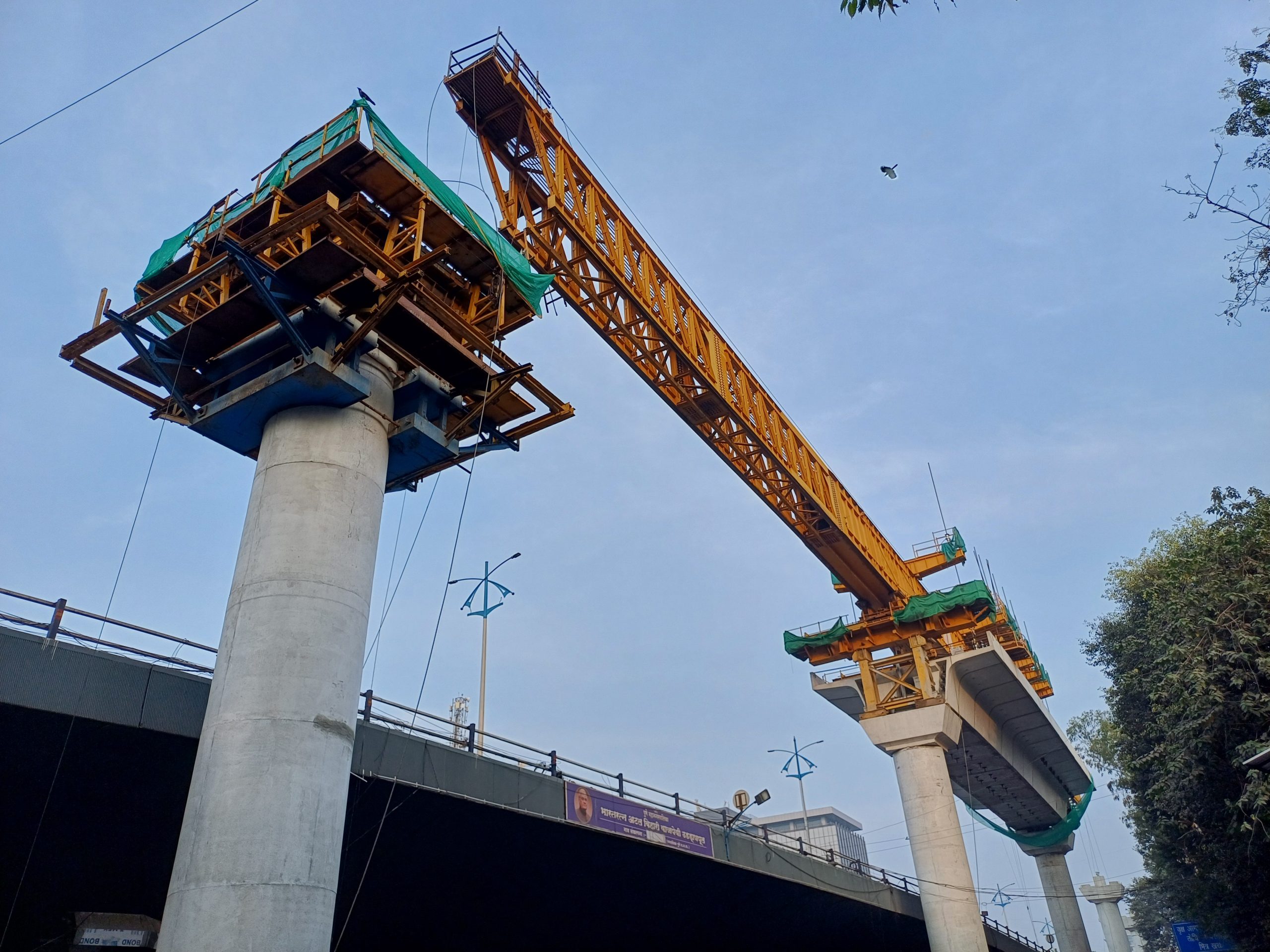


Hinjewadi Shivajinagar Metro opens today, marking a significant milestone in Pune’s public transport development. This new line promises to improve connectivity and ease travel for residents and visitors alike.
Introduction to the New Metro Line
The highly anticipated Hinjewadi Shivajinagar Metro line has officially opened for passengers, marking a significant milestone in Pune’s public transportation system. Inaugurated by Prime Minister Modi, this metro line connects two of the city’s most bustling areas, providing residents and commuters with a swift and efficient travel option.
The new metro line is expected to greatly enhance connectivity in Pune, offering a reliable alternative to road travel that often suffers from heavy congestion. With a total length of approximately 23 kilometers, the Hinjewadi Shivajinagar Metro line features several key stations that strategically serve both commercial and residential districts. Passengers can look forward to a comfortable and seamless journey, as the metro promises to run at regular intervals, reducing wait times significantly.
Additionally, the metro is designed with modern amenities, ensuring a safe and pleasant experience for all users. The integration of advanced technologies will facilitate real-time tracking of trains, further enhancing the convenience for daily commuters.
As Pune continues to grow and evolve, the Hinjewadi Shivajinagar Metro is set to play a crucial role in shaping the city’s transportation landscape, making it easier than ever to navigate between key areas.
Benefits of the Hinjewadi Shivajinagar Metro
The newly inaugurated Hinjewadi Shivajinagar Metro line is set to transform public transportation in Pune, offering numerous benefits to commuters and the local community. Here are some of the key advantages:
- Reduced Travel Time: The metro line significantly cuts down travel time between Hinjewadi and Shivajinagar, making daily commutes faster and more efficient.
- Environmental Impact: By promoting the use of public transport, the metro line helps reduce traffic congestion and lowers carbon emissions, contributing to a cleaner environment.
- Improved Connectivity: The Hinjewadi Shivajinagar Metro enhances connectivity to various important locations in Pune, including educational institutions, IT parks, and commercial hubs.
- Economic Boost: The metro line is expected to stimulate local businesses and attract investments in the region, fostering economic growth.
- Safety and Comfort: Modern metro systems offer safe and comfortable travel options, equipped with advanced technology and amenities for passengers.
- Accessibility: With multiple stations along the route, the metro ensures easy access for all residents, including those with disabilities.
Overall, the Hinjewadi Shivajinagar Metro is poised to enhance the quality of life in Pune, making urban travel more convenient and sustainable.
Inauguration Ceremony Highlights
The inauguration ceremony for the Hinjewadi Shivajinagar Metro was a momentous occasion, attended by dignitaries, local officials, and enthusiastic citizens eager to experience the new transit system. Prime Minister Narendra Modi, who officiated the event, emphasized the significance of this project in enhancing connectivity across Pune. He stated that the metro line would not only ease traffic congestion but also promote sustainable urban development.
During the ceremony, several key highlights were noted:
- Inaugural Ride: PM Modi took the first ride on the metro, showcasing its efficiency and comfort.
- Investment in Infrastructure: The project represents a substantial investment in Pune’s infrastructure, aimed at modernizing public transport.
- Future Prospects: Officials discussed plans for expanding the metro network further, enhancing access to other parts of the city.
- Cultural Significance: The event included cultural performances celebrating Pune’s rich heritage, making it a festive atmosphere.
Local leaders expressed their gratitude for the long-awaited metro line, highlighting its potential to transform daily commutes. With the Hinjewadi Shivajinagar Metro now operational, residents can look forward to a more efficient way to travel across the city, ultimately supporting economic growth and connectivity.
Expected Impact on Commuters
The opening of the Hinjewadi Shivajinagar Metro is anticipated to significantly transform the daily commute for Pune residents. With its introduction, commuters can expect a range of positive changes that will enhance their traveling experience.
One of the major impacts will be the reduction in travel time across key areas of the city. Passengers can look forward to:
- Faster commutes: The metro line will connect two bustling hubs, allowing for quicker travel between Hinjewadi and Shivajinagar.
- Less congestion: By providing an efficient alternative to road transport, the metro is expected to alleviate traffic jams that plague the city, especially during peak hours.
- Increased reliability: With a fixed schedule and dedicated tracks, commuters can count on timely arrivals and departures, reducing the unpredictability often associated with bus and auto services.
Moreover, the metro line will enhance the overall quality of public transportation in Pune. It will not only offer a modern travel environment but also encourage more residents to opt for public transit over personal vehicles, contributing to a greener city.
Overall, the Hinjewadi Shivajinagar Metro is set to redefine commuting in Pune, making it a more accessible and user-friendly city for all.
Future Expansion Plans
The recent inauguration of the Hinjewadi Shivajinagar Metro has not only transformed commuting in Pune but has also paved the way for future expansion plans that aim to enhance connectivity across the city. City officials and metro authorities are already discussing several potential extensions to the current route.
Key proposals for future expansions include:
- Extension to Balewadi: Plans are underway to connect the metro line further west to Balewadi, which is rapidly developing into a commercial hub.
- Connection to Pune Airport: A new link to the airport is being considered to facilitate smoother travel for both residents and visitors.
- Integration with other transport systems: Future projects may also focus on integrating the metro with Pune’s bus services, making transfers easier for commuters.
The authorities believe that these expansions will significantly relieve congestion on major roads and contribute to a more sustainable urban transit system. As the city continues to grow, the Hinjewadi Shivajinagar Metro will play a crucial role in shaping the future of public transport in Pune.
With these developments on the horizon, residents can look forward to an even more efficient commuting experience in the years to come.
Challenges Faced During Construction
The construction of the Hinjewadi Shivajinagar Metro was not without its challenges. Various factors complicated the process, leading to delays and adjustments along the way.
- Land Acquisition Issues: One of the primary hurdles faced during construction was the acquisition of land. Negotiations with landowners took longer than anticipated, impacting the project timeline.
- Environmental Concerns: The project encountered resistance from environmental groups concerned about the impact on local ecosystems. This necessitated additional assessments and modifications to ensure compliance with regulations.
- Traffic Disruptions: Construction activities caused significant traffic disruptions in the surrounding areas, leading to public discontent. Authorities had to implement traffic management plans to mitigate the impact on commuters.
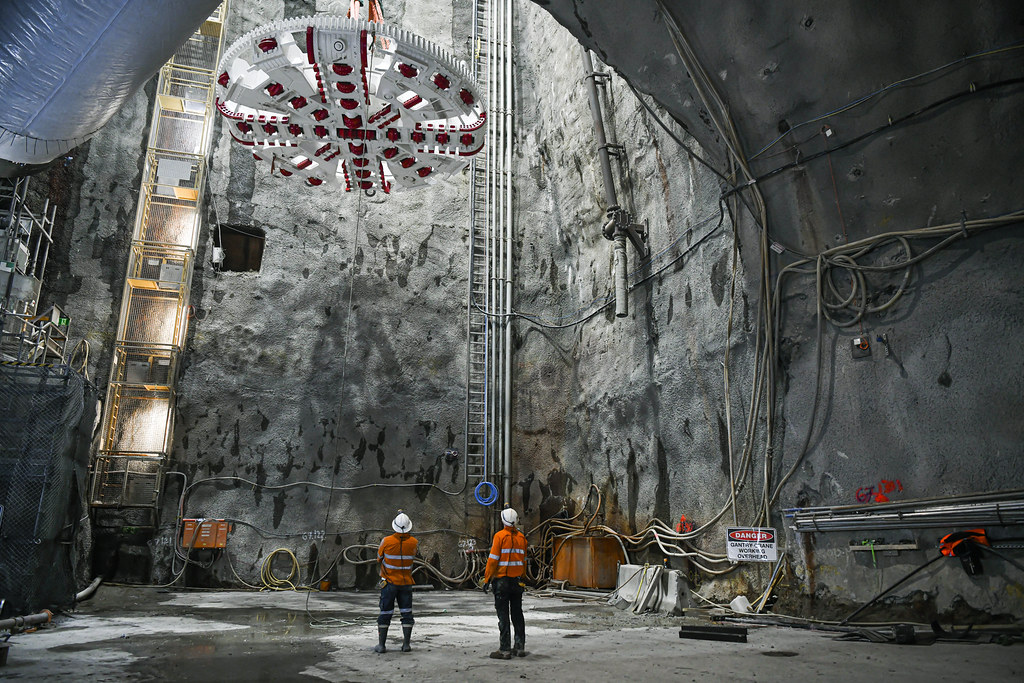
- Technical Difficulties: Engineers faced unforeseen technical challenges, including geological issues that required innovative solutions. These complications resulted in extended construction periods and increased costs.
Despite these obstacles, the Hinjewadi Shivajinagar Metro has finally been completed, promising to enhance connectivity and ease congestion in Pune. The successful navigation of these challenges showcases the dedication and resilience of the teams involved in bringing this vital infrastructure project to fruition.
Public Reactions to the Metro Opening
The opening of the Hinjewadi Shivajinagar Metro has generated significant excitement among the residents of Pune. Commuters have taken to social media to express their enthusiasm for the new metro line, with many highlighting its potential to reduce travel time and ease congestion in the city.
One commuter, Priya Joshi, shared her experience, stating, “I used to spend over an hour in traffic to reach my office in Shivajinagar. With the new metro, I can now get there in just 30 minutes!” Others echoed similar sentiments, emphasizing the convenience and efficiency the metro brings.
Many residents are particularly pleased with the accessibility the Hinjewadi Shivajinagar Metro provides to various parts of the city. “This metro line connects major business hubs and educational institutions, making it a game-changer for students and professionals alike,” remarked Ritesh Patil, a local business owner.
Moreover, families have also welcomed the metro as a safer alternative for travel. “I feel more secure taking the metro with my children compared to driving through heavy traffic,” mentioned Anjali Verma, a mother of two. As the metro continues to operate, it is expected that public opinion will further evolve, potentially leading to increased ridership and support for future metro expansions in Pune.
Conclusion and Next Steps
As the Hinjewadi Shivajinagar Metro begins its operations, it marks a pivotal moment in Pune’s public transportation landscape. This new metro line not only enhances connectivity between key business districts and residential areas but also promises to alleviate traffic congestion significantly.
Public enthusiasm is palpable, with many commuters expressing excitement over the convenience and efficiency the metro offers. For those who rely on daily commutes, the Hinjewadi Shivajinagar Metro represents a major improvement in travel times and comfort. Passengers can now traverse the city swiftly, avoiding the frustrations of road traffic.
Looking ahead, the local government has signaled plans for future expansions that could further enhance the metro network. This could include additional routes and extensions that connect more neighborhoods and key locations within Pune, thereby increasing the reach of the metro service.
Next steps involve ongoing assessments of the metro’s impact on daily commuters and the overall traffic situation. Regular feedback from passengers will be crucial in fine-tuning operations and ensuring that the service meets the needs of the public.
In conclusion, the Hinjewadi Shivajinagar Metro is not just a new transportation option; it is a step towards a more integrated and efficient urban transit system for Pune, making it easier for residents and visitors alike to navigate the city.