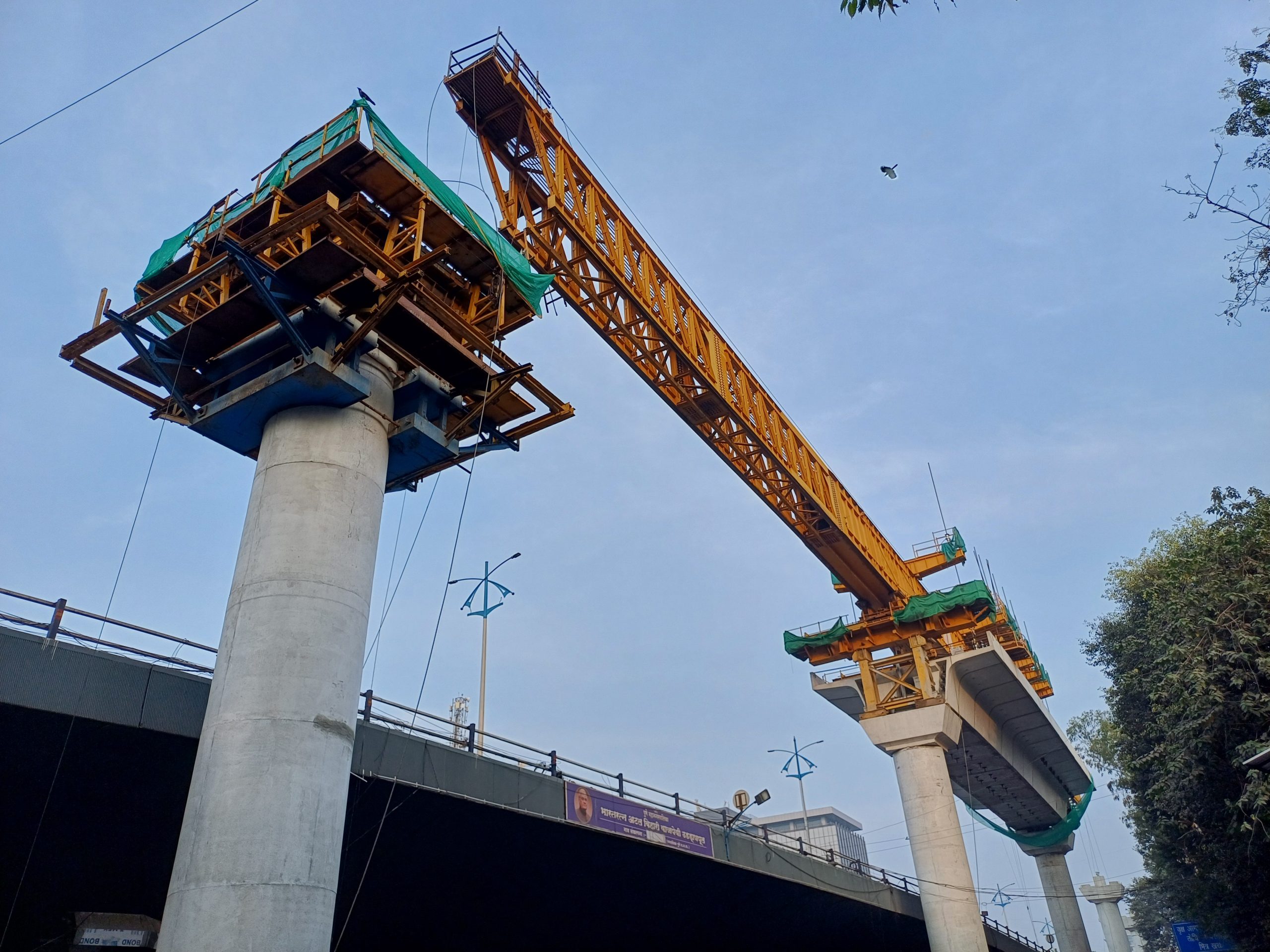




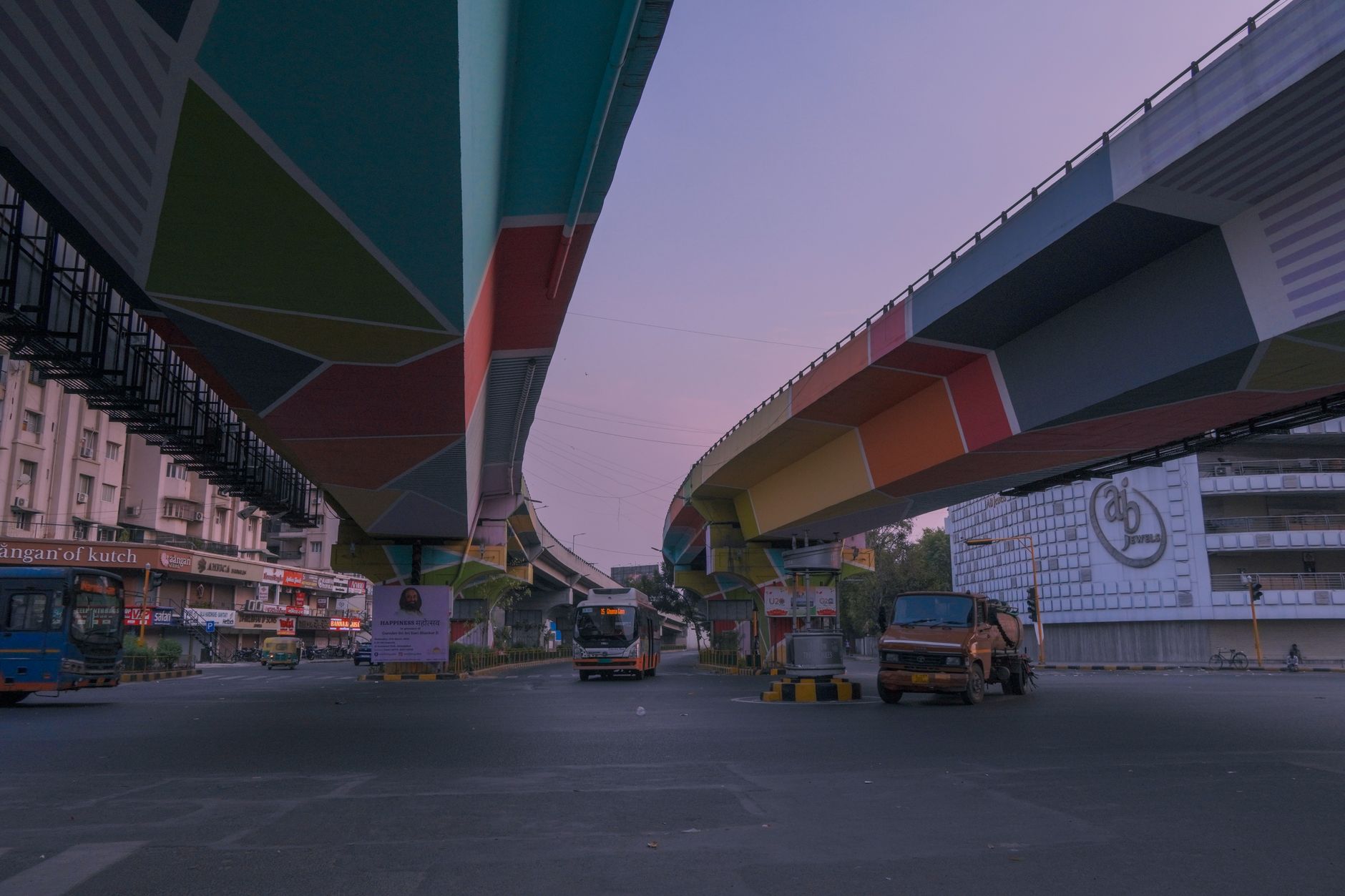
The elevated corridor Gujarat is a significant infrastructure development that aims to ease traffic flow between ISKCON Junction and Sanand Flyover.
Overview of the Elevated Corridor
The recently inaugurated elevated corridor in Gujarat spans 4.03 kilometers and serves as a vital link between the ISKCON Junction and the Sanand Flyover. This infrastructure project aims to alleviate traffic congestion in the rapidly growing region, showcasing the state’s commitment to smart urban planning.
Constructed with advanced engineering techniques, the elevated corridor is designed to enhance connectivity for commuters, reduce travel time, and improve overall traffic flow. It is expected to significantly benefit both local residents and businesses, fostering economic growth in the area.
Key features of the elevated corridor include:
- Reduced congestion: The corridor is expected to ease traffic on the ground level, allowing for smoother commutes.
- Enhanced safety: Elevating the roadway minimizes the risk of accidents at intersections.
- Environmental considerations: The project incorporates eco-friendly practices to minimize its carbon footprint.
- Improved public transport: The corridor will support better accessibility for buses and other forms of transit.
Overall, the elevated corridor in Gujarat represents a significant step forward in modernizing the state’s infrastructure.
Benefits of the New Infrastructure
The newly inaugurated elevated corridor in Gujarat presents several significant benefits for the region and its commuters. This infrastructure project aims to enhance connectivity and reduce traffic congestion along busy routes.
- Improved Travel Efficiency: By providing a dedicated elevated route, travel times are significantly reduced, allowing commuters to reach their destinations more quickly.
- Reduced Traffic Congestion: The elevated corridor is designed to ease the burden on existing roads, leading to smoother traffic flow and fewer bottlenecks during peak hours.
- Enhanced Safety: The separation of local and through traffic minimizes the chances of accidents, ensuring a safer travel experience for all road users.
- Environmental Benefits: With reduced idling and traffic jams, the elevated corridor contributes to lower emissions, promoting a cleaner environment in the region.
- Economic Growth: Improved infrastructure not only enhances daily commuting but also boosts local businesses by increasing accessibility and attracting more visitors.
Overall, the elevated corridor in Gujarat stands as a smart infrastructure solution poised to transform the transportation landscape of the region.
HM Shah’s Vision for Gujarat
Union Home Minister Amit Shah has outlined a transformative vision for Gujarat, emphasizing the importance of modern infrastructure to enhance connectivity and promote economic growth. The recent inauguration of the elevated corridor in Gujarat is a testament to this vision, aimed at reducing traffic congestion and improving the overall commuting experience for residents and visitors alike.
Shah highlighted that this 4.03-kilometer elevated corridor linking ISKCON Junction to the Sanand Flyover is not just a structural advancement, but a significant leap towards sustainable urban development. The project aligns with the state’s commitment to creating smart cities that foster innovation and ease of travel.
During the inauguration ceremony, Shah stated, “This corridor will serve as a lifeline for thousands, making their daily commute smoother and more efficient.” He encouraged local authorities to explore similar projects that can alleviate traffic woes across the state.
The elevated corridor is expected to not only facilitate better movement but also attract investment in the region, showcasing Gujarat’s commitment to forward-thinking infrastructure solutions.
Impact on Local Traffic
The introduction of the elevated corridor in Gujarat is set to significantly impact local traffic patterns and enhance connectivity. By linking key areas, the project aims to alleviate congestion and provide a smoother travel experience for commuters.
One of the primary benefits of the elevated corridor is its ability to reduce travel time. With fewer traffic signals and interruptions, vehicles can maintain a steady flow, making daily commutes more efficient. This is particularly important for residents and businesses in the region, who often face delays during peak hours.
Moreover, the elevated corridor is expected to promote safety on the roads. By separating high-speed traffic from local streets, the risk of accidents is minimized. This infrastructure solution not only serves the immediate area but also integrates with larger transportation networks, encouraging more people to use public transit options.
As local traffic dynamics shift with the implementation of the elevated corridor, residents can look forward to improved air quality and a more organized urban environment. The project embodies a forward-thinking approach to urban planning in Gujarat.
Future Infrastructure Projects
As the state of Gujarat continues to evolve, several future infrastructure projects are set to complement the newly inaugurated elevated corridor. These initiatives aim to further enhance connectivity and promote economic growth across the region.
One of the key future projects includes the expansion of the state’s road network, which will provide seamless access to remote areas. In addition, plans are underway for the construction of dedicated bus rapid transit systems that will connect underserved locations, ensuring that all citizens benefit from modern transportation options.
Furthermore, the introduction of smart traffic management systems is expected to improve traffic flow along the elevated corridor and other major routes. This technology will allow for real-time monitoring and adaptive signal control, reducing congestion and enhancing travel times.
Other proposed projects feature the development of multi-modal transport hubs, integrating rail, bus, and metro services. These hubs will serve as vital nodes in the state’s transportation network, fostering greater accessibility and efficiency in movement.
With these ambitious plans, Gujarat is poised to become a model for future infrastructure development, with the elevated corridor at its core.
Community Reactions to the Corridor
As the elevated corridor in Gujarat gains traction, community reactions have been mixed, showcasing a blend of optimism and concern among residents and commuters.
Many local business owners express enthusiasm, believing that improved connectivity will enhance foot traffic and boost sales. Ravi Patel, a shopkeeper near the ISKCON Junction, stated, “This elevated corridor will make it easier for customers to reach us without the usual traffic hassles.”
Conversely, some residents worry about the potential disruption during construction. Meera Desai, a mother of two, voiced her concerns: “While the elevated corridor is a smart infrastructure solution, I hope the noise and dust don’t affect our daily lives too much.”
Environmental activists have also chimed in, urging the government to prioritize green initiatives alongside the corridor’s development. Rajesh Kumar from a local NGO remarked, “We support progress, but it must come with a commitment to sustainability.”
Overall, the elevated corridor in Gujarat is seen as a significant step towards modernizing the region, but community feedback highlights the importance of balancing development with local needs.
Conclusion: A Step Forward for Gujarat
In conclusion, the elevated corridor in Gujarat represents a significant advancement in the state’s infrastructure development. This project is not merely about improving connectivity; it is a testament to the vision of a modern and efficient transportation network that meets the needs of a growing population.
The inauguration of the 4.03-kilometer corridor linking ISKCON Junction to the Sanand Flyover marks a pivotal moment for Gujarat. It promises to alleviate congestion, reduce travel time, and enhance the overall quality of life for commuters. By prioritizing smart infrastructure solutions, the state government is setting a benchmark for urban planning and development.
As Gujarat continues to evolve, the elevated corridor is expected to pave the way for further projects that will strengthen the region’s economic landscape. Community reactions have been largely positive, with many expressing optimism about the potential benefits it brings.
Ultimately, the elevated corridor is just the beginning, and it symbolizes a step forward in redefining how infrastructure can support growth and sustainability in Gujarat.
The elevated corridor Gujarat aims to reduce traffic congestion while promoting sustainable urban development. By implementing the elevated corridor Gujarat, the state is taking a significant step towards modernizing its transportation infrastructure.
Photo by Ranjeet Chauhan on Pexels
References
You might also like
ONGC PRP-X Offshore Project: What’s the Best Approach? · Apple new products: Smart Innovations for Your Home · Nadiya Parao Resort: Is It the Best New Stay in Jim Corbett?