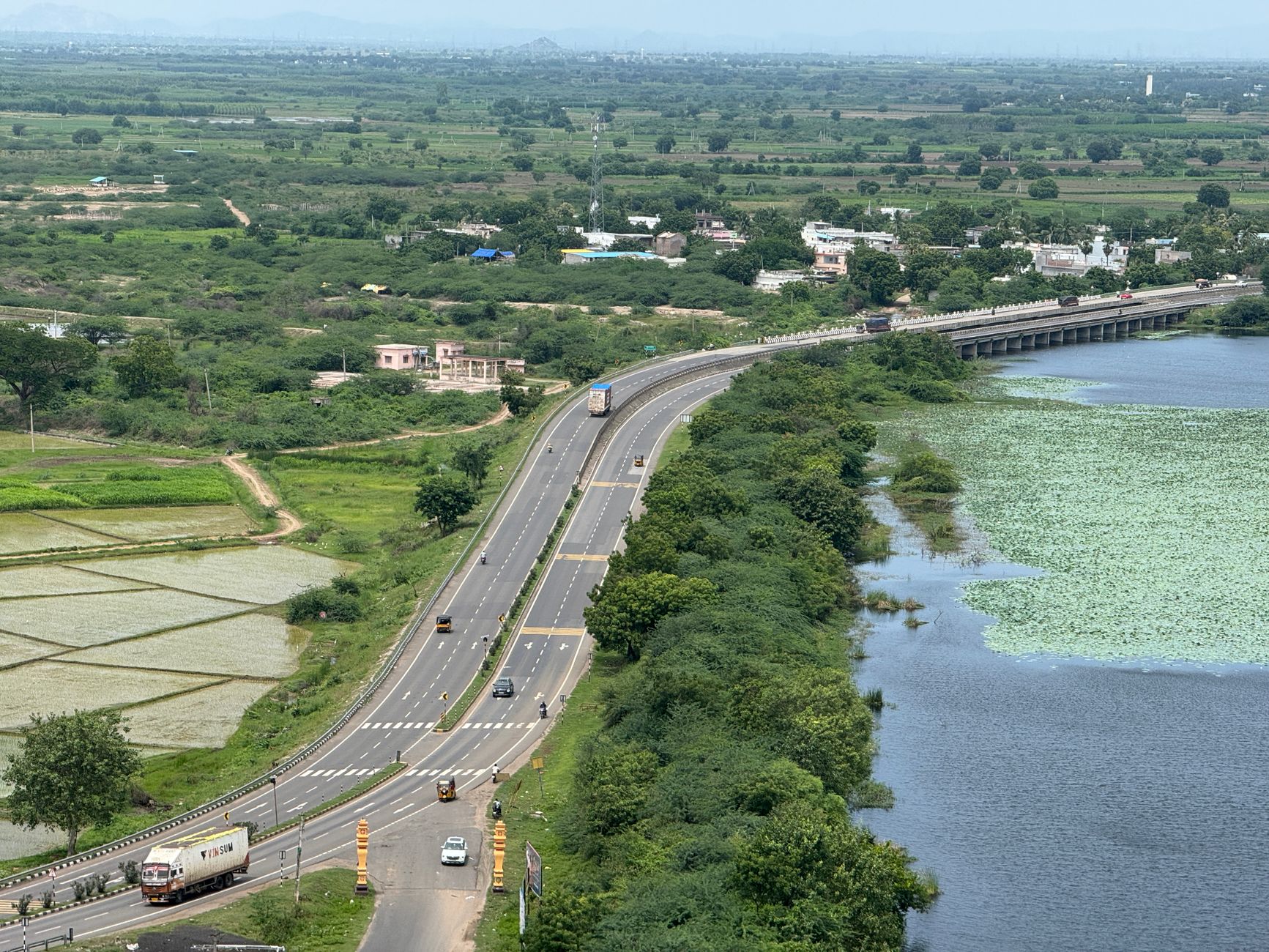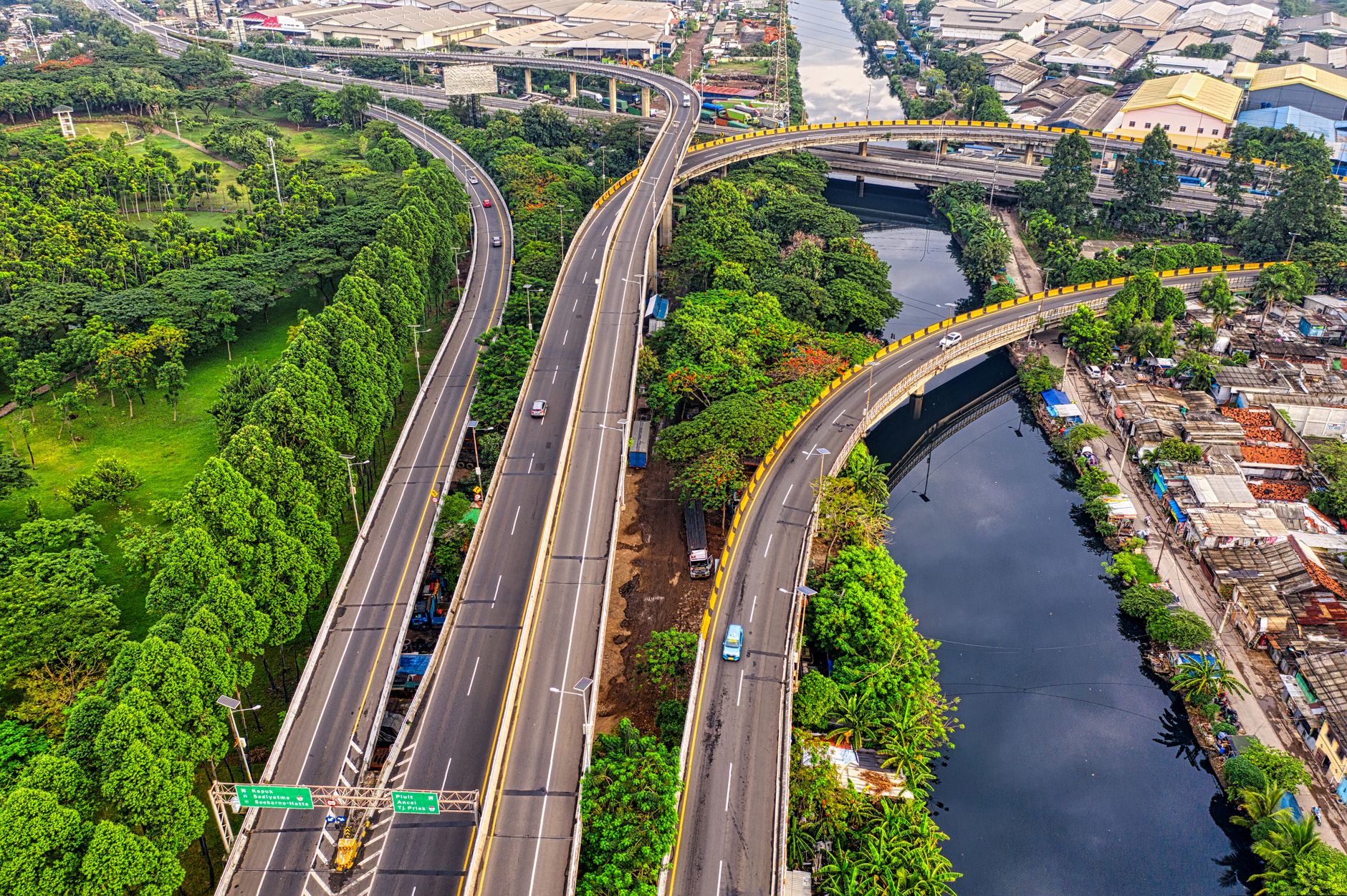









India infrastructure projects are significantly reducing travel times, making transportation more efficient and accessible for millions.
How India Infrastructure Projects Are Changing Travel
India is undergoing a significant transformation in its infrastructure landscape, with various projects aimed at improving travel efficiency across the country. These initiatives are not only enhancing connectivity but also reducing travel times for millions of commuters.
One of the most notable aspects of these India infrastructure projects is the development of new highways and expressways. These roadways are designed to facilitate faster movement of goods and people, contributing to economic growth. Additionally, the expansion of railway networks is another key element, allowing for quicker train services that connect major cities.
Furthermore, the implementation of smart transportation systems is revolutionizing how people navigate urban areas. These systems provide real-time information on traffic conditions, helping commuters make informed decisions about their routes.
As a result of these advancements, travelers can expect:
- Significantly reduced travel times
- Improved safety on the roads
- Enhanced overall travel experiences
In essence, India infrastructure projects are laying the groundwork for a more efficient and effective transportation network.
The Impact on Daily Commuters
The recent surge in India infrastructure projects has significantly improved daily commuting for millions. With new roadways, bridges, and public transit options being implemented, commuters are experiencing shorter travel times and increased reliability in their journeys.
Many residents have shared their positive experiences, highlighting how these projects have transformed their daily routines. Notable benefits include:
- Reduced Congestion: Enhanced road networks are alleviating traffic bottlenecks, making commutes smoother.
- Increased Accessibility: Improved public transportation facilities are connecting remote areas to urban centers.
- Time Savings: Commuters are reporting up to 30% reduction in travel times, allowing for more personal and family time.
- Economic Growth: Faster commutes are encouraging local businesses and attracting investments in various regions.
As these infrastructure projects continue to unfold, the positive impact on daily commuters is expected to grow, fostering a more efficient and connected society.
Key Projects Driving Improvements
India is witnessing a transformation in its travel landscape, primarily due to several key infrastructure projects that are significantly enhancing connectivity and reducing travel times. These initiatives are a vital part of the broader strategy to improve India’s infrastructure projects.
One of the landmark developments is the Delhi-Mumbai Expressway, which is set to slash the travel time between the two major cities to just 12 hours. This project not only simplifies logistics for businesses but also promises to boost tourism.
Another critical project is the Western Dedicated Freight Corridor, which aims to streamline freight movement across the country, ensuring goods reach their destinations faster and more efficiently.
Additionally, the expansion of metro rail systems in cities like Bangalore and Mumbai is making urban commuting quicker and more convenient for millions of daily travelers.
These projects are just a few examples of how investments in infrastructure are reshaping travel in India, paving the way for a more connected future.
Future of Transportation in India
The future of transportation in India looks promising, thanks to ongoing infrastructure projects that aim to revolutionize travel across the nation. With significant investments in roads, railways, and airports, the government is committed to enhancing connectivity and reducing congestion.
Urban centers are witnessing the introduction of smart transportation systems, which will utilize technology to optimize traffic flow and provide real-time updates to commuters. Additionally, efforts to develop high-speed rail corridors are expected to drastically cut travel times between major cities.
As these infrastructure projects progress, India’s transportation landscape will increasingly focus on sustainability. Initiatives such as electric public transport and dedicated cycling lanes are being integrated into city planning to promote eco-friendly travel options.
Moreover, public-private partnerships are playing a crucial role in funding and executing these projects, ensuring that infrastructure development keeps pace with the growing population’s needs. With the ongoing commitment to enhancing infrastructure, India is set to transform the way its citizens travel, making daily commutes quicker and more efficient.
India infrastructure projects have significantly reduced travel times between major cities, enhancing connectivity across the nation. With ongoing investments, these India infrastructure projects are set to transform daily commutes for millions of citizens.
By (vincent desjardins) via Openverse