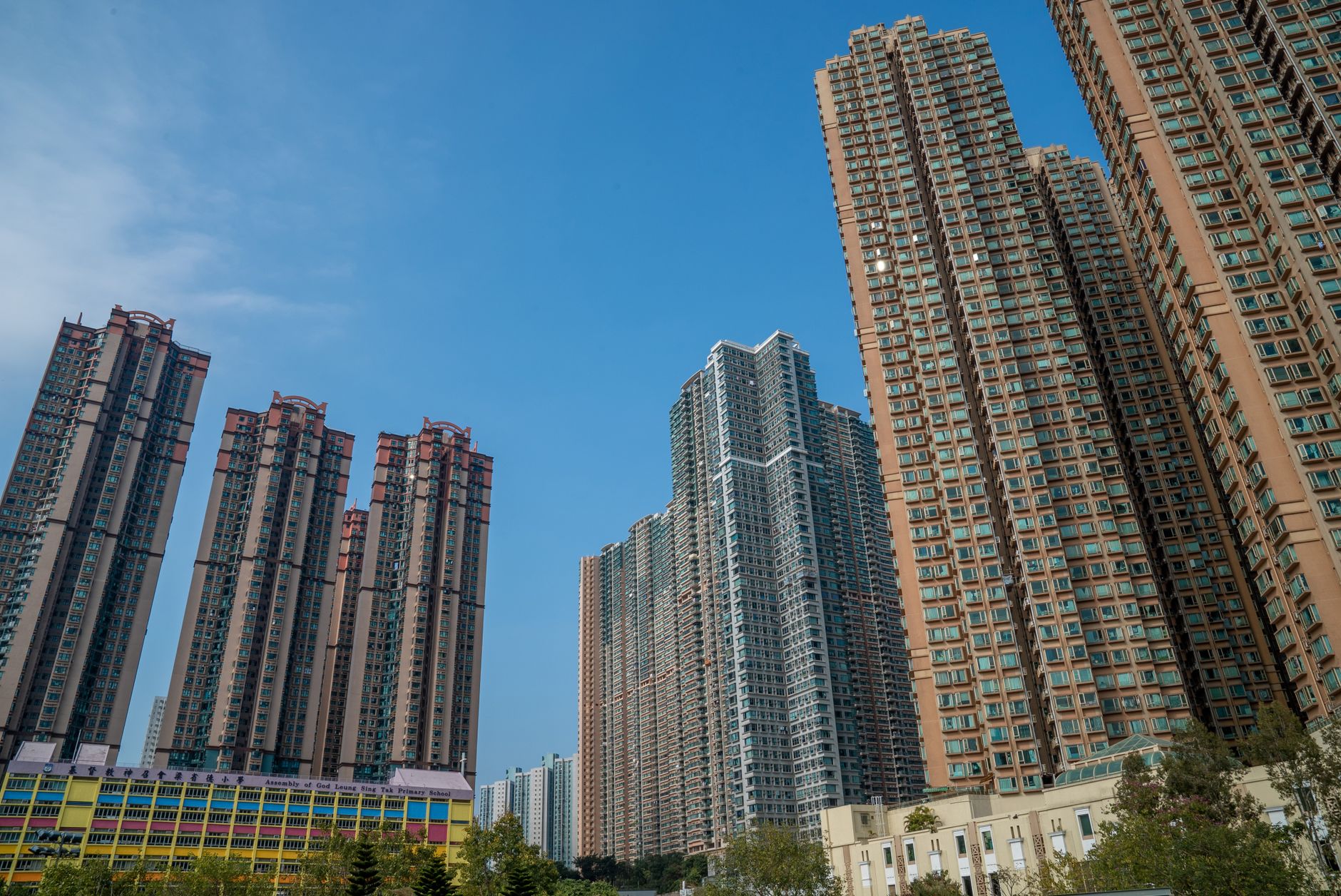








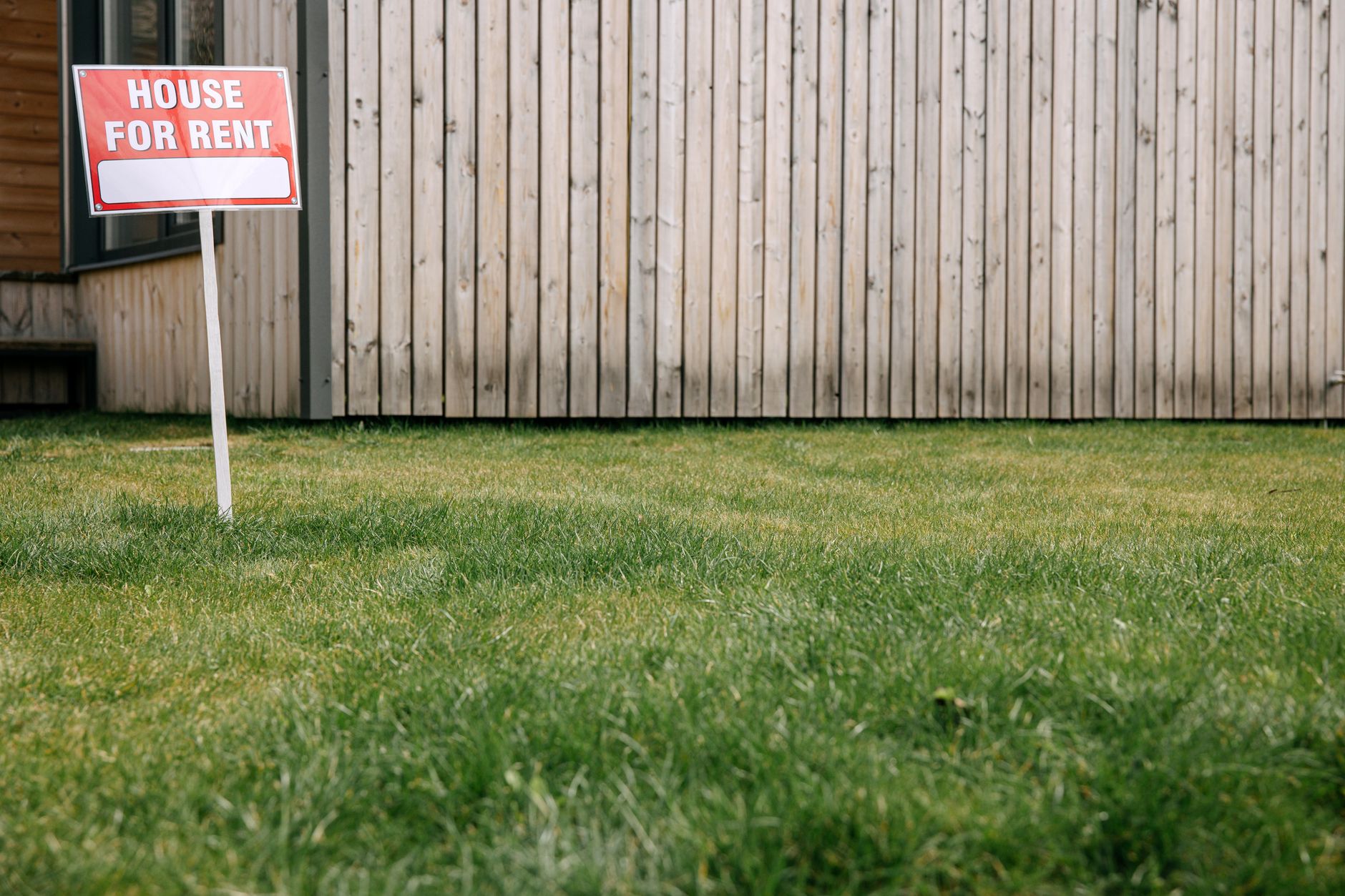
Kenya residential property prices have increased by 2.2%, driven by a growing demand for standalone houses. This trend reflects the changing preferences of homebuyers in the region.
Understanding Kenya’s Property Market
Kenya’s residential property prices have been on an upward trajectory, reflecting a dynamic and evolving market influenced by various factors. One of the primary drivers of this increase is the growing demand for standalone houses, which has seen prices rise by 2.2 percent recently. This trend signifies a shift in buyer preferences, as more individuals seek spacious living environments that offer more privacy.
Additionally, infrastructure development plays a crucial role in shaping property values. Improved roads, transportation links, and amenities make certain areas more attractive to potential buyers, further driving up prices. Urbanization continues to contribute to the demand for residential properties, particularly in major cities like Nairobi and Mombasa.
Another factor influencing the Kenya residential property prices is the influx of foreign investment. As international investors look for opportunities in the real estate sector, their interest adds upward pressure on prices. This influx not only fuels the market but also enhances the overall quality of housing available.
In summary, the combination of changing buyer preferences, infrastructure improvements, and foreign investments are key elements that are currently shaping the landscape of Kenya’s residential property market.
Factors Influencing Price Changes
The recent rise in Kenya residential property prices can be attributed to several key factors influencing the market. These factors not only reflect current economic conditions but also consumer preferences and urban development trends.
- Increased Demand: A growing population and urban migration have led to higher demand for housing, particularly in metropolitan areas.
- Economic Growth: As the economy expands, more individuals are entering the middle class, which increases purchasing power and drives property sales.
- Investment Opportunities: Real estate is increasingly seen as a viable investment, attracting both local and foreign investors looking to capitalize on potential returns.
- Development of Infrastructure: Improved infrastructure, including roads and public transport, enhances accessibility to areas previously considered less desirable, thus raising property values.
- Supply Constraints: Limited availability of land in prime locations has resulted in competition, pushing up prices as buyers vie for the best properties.
These interconnected elements contribute to the ongoing rise in Kenya residential property prices, making it a dynamic sector worth monitoring for potential investors.
The Rise of Standalone Houses
The trend of increasing residential property prices in Kenya is significantly influenced by the rising demand for standalone houses. Recent reports indicate that these properties have become increasingly appealing to both buyers and investors alike.
Several factors contribute to this growing preference:
- Space and Privacy: Standalone houses offer greater living space and privacy compared to apartments, making them ideal for families.
- Investment Potential: Investors recognize standalone houses as a stable option for generating rental income, leading to heightened interest.
- Location: Many standalone houses are situated in desirable neighborhoods, attracting buyers seeking a good balance of amenities and tranquility.
- Customization: Homeowners appreciate the ability to customize standalone houses to their personal tastes, further driving demand.
As a result, the rise of standalone houses has contributed to a notable increase in Kenya’s residential property prices, which have seen a rise of 2.2 percent in recent evaluations. This upward trend indicates a robust market, signaling continued interest in homeownership across the nation.
Impact on Homebuyers
The recent increase in Kenya residential property prices is creating significant challenges for homebuyers across the country. With the continual rise of standalone houses, many potential buyers find themselves in a difficult position, struggling to secure affordable housing options.
Homebuyers are feeling the pressure as they navigate a competitive market. The following factors are contributing to the impact on their purchasing power:
- Increased Demand: As more people seek independent living spaces, the demand for standalone houses has surged, driving prices higher.
- Limited Supply: The supply of available properties has not kept pace with demand, causing prices to escalate further.
- Rising Construction Costs: Higher prices for building materials and labor are making new developments more expensive, impacting overall property prices.
- Investment Appeal: Many investors are entering the market, viewing residential properties as a lucrative investment, which further inflates prices.
As a result, first-time homebuyers are particularly affected, often finding that their budget does not stretch far enough to secure a desired property in the current climate.
Future Predictions for Real Estate
As the demand for standalone houses continues to rise, experts predict that Kenya’s residential property prices will maintain an upward trajectory in the coming years. Several factors contribute to these projections, including urbanization, a growing middle class, and increasing foreign investments in the real estate sector.
According to analysts, the ongoing infrastructural developments across the country are likely to enhance accessibility to various neighborhoods, further boosting property values. Additionally, the increasing desire for homeownership among Kenyans is expected to keep the demand for residential properties strong.
Some key predictions for the future of Kenya’s residential property market include:
- Continued price increases: Residential property prices are anticipated to rise by an average of 3 to 4 percent annually over the next few years.
- Shifts in buyer preferences: Homebuyers may increasingly favor properties that offer modern amenities and sustainable living options.
- Emerging suburbs: As urban areas become saturated, buyers are expected to explore emerging suburbs, leading to growth in these regions.
In summary, the future of Kenya’s residential property prices appears promising, with numerous factors driving this upward trend.
The recent surge in demand for housing has significantly impacted Kenya residential property prices. Investors are eager to capitalize on the growing market, further driving up Kenya residential property prices across various regions.
Photo by Ivan S on Pexels
Sources
Related reading
Sweden Ski Resort: Best Proven Experience for Skiers · Housing Projects in Rajasthan: Proven Benefits for Residents · Safer travel corridor: What are the proven benefits?