









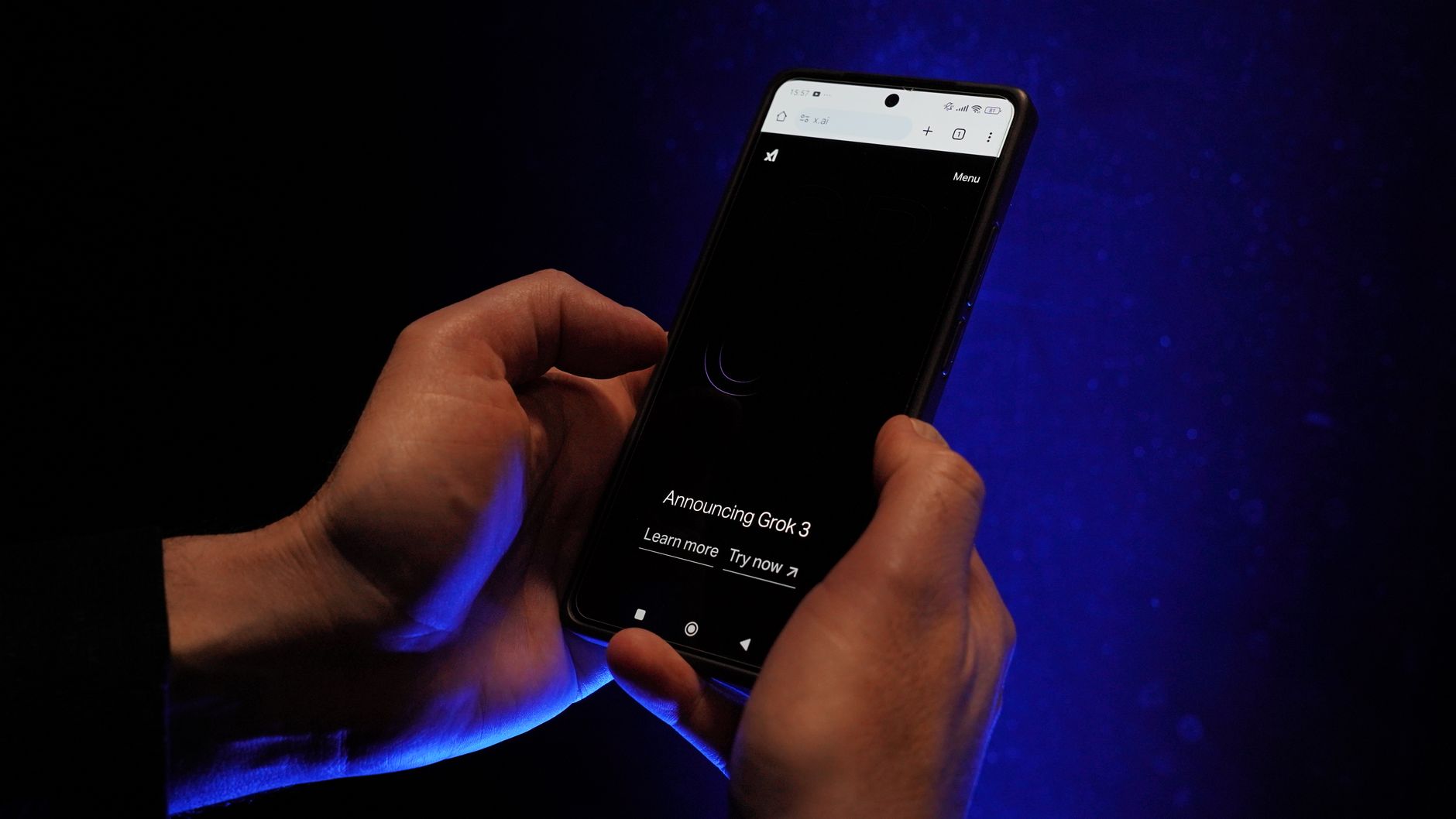
HarmonyOS launch marks a significant step in smart home innovation. Huawei’s new operating system promises to enhance user experience and connectivity.
What is HarmonyOS?
HarmonyOS is an innovative operating system developed by Huawei, designed to seamlessly integrate various smart devices within the home ecosystem. Launched as a direct response to the growing demand for interconnected smart home technologies, HarmonyOS aims to redefine how users interact with their devices.
This operating system stands out for its ability to function across a wide range of platforms, from smartphones to smart TVs and IoT devices. By providing a unified experience, HarmonyOS allows users to control multiple devices from a single interface, enhancing efficiency and convenience.
Some key features of HarmonyOS include:
- Distributed Technology: This feature enables different devices to work together effortlessly, sharing resources and capabilities.
- Seamless Connection: HarmonyOS facilitates a quick and smooth connection between devices, reducing the time and effort required to set up smart home systems.
- Enhanced Security: With a focus on privacy and data protection, HarmonyOS implements advanced security measures to safeguard user information.
- Intuitive User Interface: The operating system is designed to be user-friendly, allowing users of all ages to navigate and control their smart home effortlessly.
As the HarmonyOS launch continues to make waves in the tech community, it is poised to become a leading choice for smart home operating systems.
Key Features of HarmonyOS
The recent HarmonyOS launch by Huawei has introduced a range of innovative features designed to enhance user experience in smart home environments. Below are some of the key features that set HarmonyOS apart from other operating systems:
- Seamless Device Connectivity: HarmonyOS enables smooth communication between multiple devices, allowing users to control them from a single interface. This connectivity simplifies the smart home experience.
- Distributed Architecture: The operating system utilizes a distributed architecture that allows applications to run across different devices without compatibility issues. This means that users can enjoy a cohesive experience regardless of the device being used.
- Enhanced Security: Huawei has prioritized security in the design of HarmonyOS, implementing advanced encryption and data protection measures to safeguard user information.
- Intuitive User Interface: The user interface is designed for ease of use, featuring customizable options that allow users to tailor their smart home experience to their preferences.
- AI Integration: With built-in artificial intelligence, HarmonyOS can learn user habits and preferences, optimizing device performance and automating routine tasks.
These features position HarmonyOS as a strong contender in the market, appealing to tech-savvy consumers looking to enhance their smart home experience.
HarmonyOS launch and its impact
The recent HarmonyOS launch by Huawei marks a significant milestone in the realm of smart home technology. As consumers increasingly seek seamless integration across their devices, this new operating system aims to bridge the gap between various smart home products, enhancing user experience and connectivity.
One of the most notable impacts of the HarmonyOS launch is its potential to unify devices from different manufacturers under one platform. This interoperability is crucial as it allows users to control their smart home gadgets more efficiently, leading to a more cohesive ecosystem.
In addition, developers are likely to benefit from the launch. With a robust framework provided by HarmonyOS, they can create applications that work across a range of devices, from smartphones to IoT gadgets. This encourages innovation and can lead to a surge in smart home applications, further enriching the user experience.
Moreover, the emphasis on security and privacy within HarmonyOS is poised to address growing consumer concerns in the digital age. As smart home devices become more prevalent, ensuring that user data remains secure will be paramount.
Overall, the HarmonyOS launch not only showcases Huawei’s commitment to advancing technology but also potentially reshapes how consumers interact with their smart home environments.
Comparing HarmonyOS with other systems
The launch of HarmonyOS has sparked significant interest in the tech community, particularly in how it compares to other smart home operating systems. Several key differences set HarmonyOS apart from its competitors.
Firstly, the integration capabilities of HarmonyOS are noteworthy. Unlike traditional systems, it allows seamless connectivity across various devices, creating a unified experience for users. This is achieved through its distributed architecture, which enables devices to communicate more effectively.
Secondly, HarmonyOS emphasizes security and privacy. With an increasing number of smart home devices on the market, users are becoming more aware of potential vulnerabilities. HarmonyOS employs advanced encryption and security protocols, ensuring that personal data remains protected.
Another significant advantage is the compatibility of HarmonyOS with a wide range of devices. While other operating systems may be limited to specific brands or device types, HarmonyOS aims to support a diverse ecosystem, making it a versatile choice for consumers.
Lastly, the user interface of HarmonyOS is designed to be intuitive and user-friendly. The simplicity of navigating through various functions has been a strong selling point, particularly for those new to smart home technology.
In conclusion, the HarmonyOS launch positions it as a competitive option among smart home operating systems, appealing to users looking for innovation, security, and ease of use.
Future of smart home technology
The future of smart home technology is poised for significant transformation with the advent of innovative operating systems like HarmonyOS. As smart devices become increasingly prevalent in households, the demand for seamless integration and enhanced functionality rises. HarmonyOS launch marks a pivotal moment in this evolution, aiming to unify various devices under a single, user-friendly interface.
One of the primary benefits of HarmonyOS is its ability to facilitate communication between different smart products, enabling a more cohesive smart home experience. This operating system supports a wide range of devices, from smart speakers to security cameras, allowing users to control their entire ecosystem effortlessly. As manufacturers adopt HarmonyOS, consumers can expect improved compatibility and a broader selection of devices.
Moreover, the emphasis on security and privacy in HarmonyOS is crucial as more homeowners integrate smart technology into their daily lives. With cyber threats on the rise, having a robust operating system that prioritizes user safety is essential.
In conclusion, the future of smart home technology looks bright with HarmonyOS leading the charge. As more companies embrace this system, we can anticipate an even greater convergence of technology and convenience, making everyday life more efficient and enjoyable.
The HarmonyOS launch has set a new standard for smart home integration, allowing devices to communicate seamlessly. As users explore the features introduced during the HarmonyOS launch, they are discovering innovative ways to enhance their daily lives.
Photo by UMA media on Pexels
Read the original
You might also like
Graft in PWD: Proven Ways to Cut Project Costs by 30% · Denza D9 launch: Is it the Best Smart Home Investment? · Denza D9 vs MG M9: Which is the Best Luxury MPV?