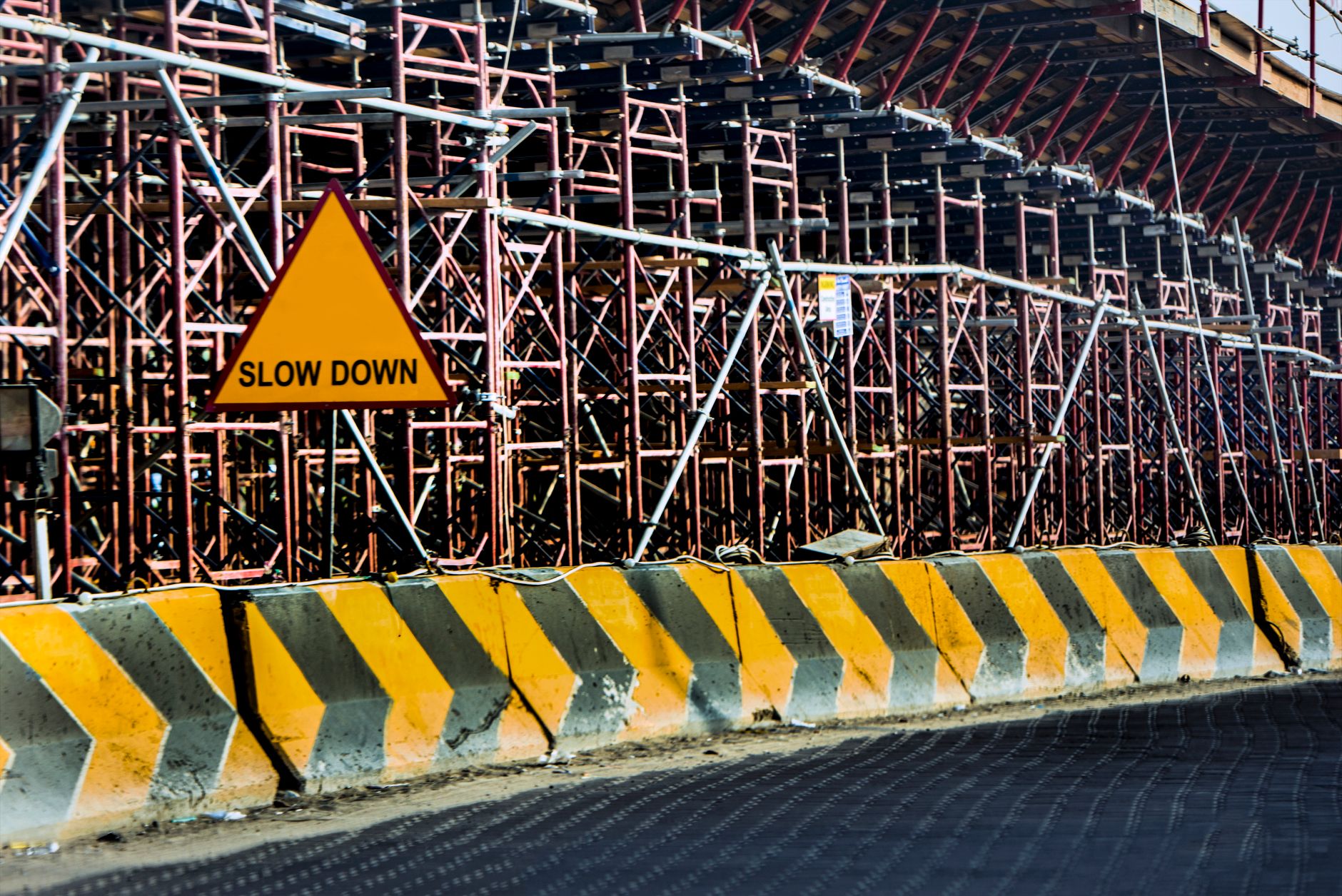





Chennai Metro Phase II is a significant advancement in urban transport, enhancing connectivity and reducing travel time for commuters in the city.
Overview of Chennai Metro Phase II
The Chennai Metro Phase II project has been a significant milestone in the city’s transportation infrastructure, aimed at enhancing urban mobility and reducing traffic congestion. With a total length of approximately 118.9 kilometers, this phase will extend the existing metro network, providing seamless connectivity across various parts of the city.
One of the key features of Chennai Metro Phase II is its focus on sustainability. The project is designed to promote the use of public transport, thereby reducing carbon emissions and alleviating air pollution. This initiative aligns with global trends towards greener urban development.
The new phase will include a total of 104 stations, strategically located to serve densely populated areas and commercial hubs. This will not only facilitate convenient travel for daily commuters but also boost economic activities by improving access to businesses.
Additionally, the introduction of advanced technology in train operations and passenger services is expected to enhance safety and efficiency. Overall, the Chennai Metro Phase II is set to transform the city’s public transport landscape for the better.
Key Features of the New Phase
The Chennai Metro Phase II project includes several key features designed to enhance urban mobility and infrastructure efficiency. The new phase is expected to significantly improve the connectivity across the city, making commuting more convenient for residents and visitors alike.
- Extended Reach: The metro network will span an additional 118.9 kilometers, connecting vital areas that were previously underserved.
- Environmentally Friendly: With the introduction of energy-efficient trains and reduced road congestion, the project promotes sustainable urban transport solutions.
- Smart Technology: Advanced signaling and communication systems will be implemented to ensure safety and efficiency in operations.
- Accessibility: New stations and facilities will be designed to accommodate all passengers, including those with disabilities.
- Reduced Travel Time: The Chennai Metro Phase II is anticipated to cut down travel times significantly, providing a faster alternative to road transport.
Overall, these features position the Chennai Metro Phase II as a transformative project for the city’s infrastructure landscape.
Economic Impact on Chennai
The completion of Chennai Metro Phase II is set to have a significant economic impact on the city. This expansion will not only enhance public transportation but also stimulate local businesses and create job opportunities.
One of the primary benefits is the expected increase in foot traffic in commercial areas near metro stations. This influx of commuters can lead to:
- Higher Sales: Local retailers and service providers are likely to experience a boost in sales as more people access their businesses.
- Job Creation: The construction and operation of the metro will generate thousands of jobs, both directly and indirectly.
- Increased Property Values: Proximity to metro stations often leads to a rise in property values, benefiting homeowners and investors alike.
Furthermore, the improved connectivity offered by Chennai Metro Phase II can attract new investments, making the city more competitive in the regional and global market. As a result, the economic landscape of Chennai is poised for transformation with the successful launch of this vital infrastructure project.
Environmental Benefits of Metro Expansion
The expansion of the Chennai Metro Phase II is set to deliver significant environmental benefits, contributing to a greener urban landscape. By providing a reliable and efficient public transport system, the metro aims to reduce dependency on personal vehicles, thereby decreasing traffic congestion and air pollution in the city.
Some of the key environmental benefits include:
- Reduction in Greenhouse Gas Emissions: With fewer cars on the road, the metro will help lower carbon emissions, contributing to improved air quality.
- Energy Efficiency: The metro system is designed to be more energy-efficient compared to traditional forms of transportation, utilizing advanced technologies to minimize energy consumption.
- Encouragement of Sustainable Practices: The project promotes the use of public transport, encouraging citizens to adopt more sustainable commuting habits.
- Preservation of Green Spaces: Metro stations are designed to integrate with existing urban landscapes, minimizing disruption to local ecosystems.
Overall, the Chennai Metro Phase II represents a vital step towards sustainable urban development in the city.
Hitachi Rail’s Role in Development
Hitachi Rail has played a crucial role in the development of Chennai Metro Phase II, contributing advanced technology and expertise to ensure the project’s success. With a commitment to delivering high-quality rail systems, Hitachi Rail has implemented innovative solutions that enhance the operational efficiency of the metro lines.
The company is responsible for supplying state-of-the-art trains and signaling systems, which are designed to improve safety and reduce travel time for commuters. Additionally, Hitachi Rail focuses on sustainability, aligning with the environmental benefits associated with the Chennai Metro Phase II project.
Significant milestones have been achieved during the collaboration, showcasing the effectiveness of modern rail technology in urban infrastructure. As the metro expands its reach across the city, the integration of Hitachi Rail’s systems is expected to facilitate smoother transit and increased ridership.
Overall, the partnership between Hitachi Rail and the Chennai Metro project exemplifies a shared vision for modernizing public transportation while addressing the growing demands of urban mobility.
Future of Urban Transport in India
The future of urban transport in India is being reshaped by projects like the Chennai Metro Phase II. This expansion not only enhances connectivity but also sets a precedent for sustainable urban mobility across the country.
As cities continue to grow, the need for efficient public transport becomes increasingly vital. The Chennai Metro Phase II is expected to alleviate traffic congestion, reduce travel times, and provide a reliable alternative to traditional modes of transport. Additionally, the integration of advanced technologies and eco-friendly practices demonstrates a commitment to sustainability.
Moreover, the implementation of smart transport systems will likely play a crucial role in the future of urban transport. These innovations can optimize routes, improve safety, and enhance the overall passenger experience. The Chennai Metro Phase II serves as a model for other cities looking to invest in similar infrastructure, highlighting the importance of public transport in urban planning.
As metropolitan areas continue to evolve, initiatives like the Chennai Metro Phase II are indispensable to creating a more efficient, sustainable, and accessible urban environment.