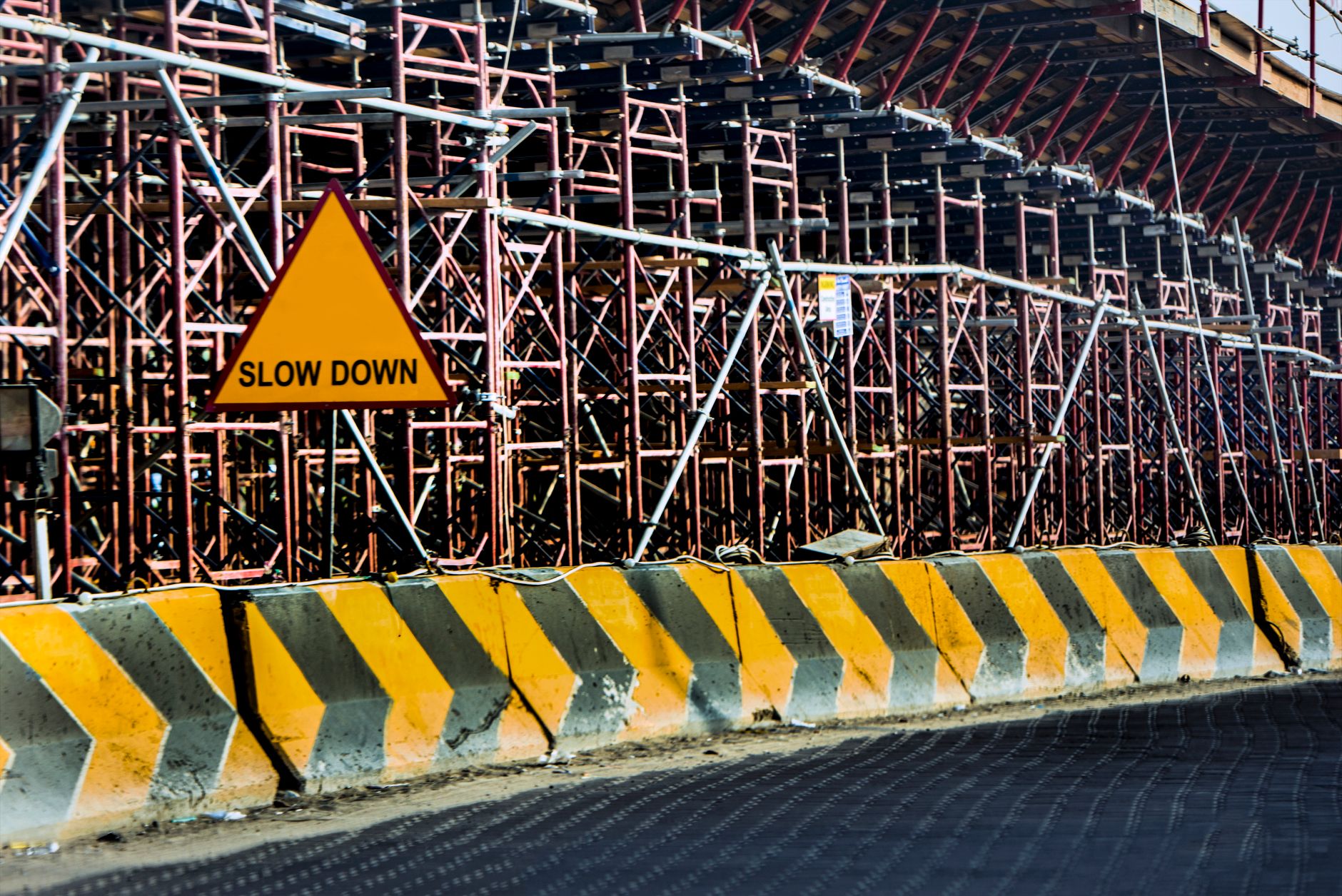






The Kandla terminal project is set to enhance port infrastructure significantly. Essar Ports has won a substantial Rs 2,276-crore contract to develop this vital terminal, indicating a strong commitment to revitalize India’s port capabilities.
Overview of the Kandla terminal project
The Kandla terminal project is a significant undertaking aimed at enhancing port infrastructure in India. Awarded to Essar Ports for an impressive Rs 2,276 crore, this project is poised to play a crucial role in boosting the country’s maritime capabilities.
Located in Gujarat, the Kandla terminal is strategically positioned to facilitate the efficient movement of goods and bolster trade. The project encompasses various upgrades, including:
- Expansion of dock facilities: Increasing the capacity to handle larger vessels and more cargo.
- Modernization of equipment: Implementing advanced technologies for streamlined operations.
- Enhanced connectivity: Improving road and rail links to ensure faster delivery of goods.
This development aligns with the government’s push for infrastructure improvement and is expected to generate significant economic benefits. By investing in the Kandla terminal project, Essar Ports is betting on the revival of port infrastructure, which is essential for supporting India’s growing trade demands and achieving long-term economic resilience.
The successful implementation of this project could set a precedent for future investments in similar infrastructure initiatives across the nation.
Impact on local economy
The Kandla terminal project is poised to significantly impact the local economy, creating numerous opportunities for growth and development. With the infusion of Rs 2,276 crore into this venture, the region is set to experience a revival in port infrastructure, which is expected to enhance trade activities.
One of the most notable benefits will be the creation of new job opportunities. As the terminal becomes operational, there will be an increased demand for skilled and unskilled labor, leading to a reduction in unemployment rates in the surrounding areas.
Additionally, local businesses are likely to thrive due to boosted logistics and transportation services. The improved infrastructure will facilitate smoother movement of goods, helping local manufacturers and traders expand their reach to national and international markets.
Moreover, the project will contribute to the overall economic development of the region by attracting investment. Increased port activity can lead to the establishment of ancillary industries, further stimulating the local economy.
In summary, the Kandla terminal project is expected to yield substantial benefits, reinforcing the importance of robust port infrastructure in driving regional economic progress.
Essar Ports’ previous projects
Essar Ports has a proven track record of successfully executing various significant projects in the port infrastructure sector. Their experience positions them well for the Kandla terminal project, which aims to enhance India’s maritime capabilities.
Some of Essar Ports’ notable previous projects include:
- Hazira Port: A deep-draft port that significantly improved cargo handling capacity and reduced logistics costs for various industries.
- Salaya Port: Known for its strategic location, this port has facilitated the efficient movement of bulk cargo and enhanced supply chain efficiency.
- Vishakhapatnam Port: This project helped in augmenting export capabilities, particularly in the steel and iron sectors, contributing to the local economy.
Each of these projects has demonstrated Essar Ports’ commitment to enhancing port infrastructure and operational efficiency. The successful execution of these initiatives has not only improved logistics but has also positively impacted local communities and economies. With the Kandla terminal project, Essar Ports aims to replicate this success and further solidify its role in the port infrastructure revival across India.
Future of port infrastructure
The future of port infrastructure is poised for significant transformation, particularly with projects like the Kandla terminal project leading the way. As governments and private entities recognize the vital role of ports in global trade, there is an increasing push to modernize and expand port facilities to meet growing demands.
Investments in infrastructure not only enhance operational efficiency but also improve logistics and supply chain processes. With the Kandla terminal project, stakeholders anticipate a boost in cargo handling capacity and a reduction in turnaround times for vessels, enabling smoother trade flows.
Moreover, the integration of advanced technology, such as automation and digital management systems, is expected to play a crucial role in the evolution of port operations. These innovations will facilitate better resource management and enhance safety protocols.
As port infrastructure continues to develop, it is essential for local communities and economies to stay engaged. The benefits of improved ports extend beyond economic metrics, fostering greater connectivity and sustainability. With the Kandla terminal project at the forefront, the future looks promising for port infrastructure in the region.
Government support for infrastructure
The Kandla terminal project has garnered significant attention not only for its potential economic impact but also for the robust support it has received from the government. This backing underscores a broader commitment to enhancing port infrastructure across the country.
Government initiatives have been pivotal in facilitating such projects. The emphasis on building and upgrading port facilities aligns with national goals to boost trade and improve logistics efficiency. Key aspects of this support include:
- Policy Framework: The government has introduced various policies aimed at attracting private investment in port development, making projects like the Kandla terminal more viable.
- Financial Incentives: Subsidies and financial assistance programs have been established to reduce the burden on companies undertaking large-scale port projects.
- Regulatory Support: Streamlined regulations have made it easier for firms to navigate the complexities of port construction and operation.
Such measures not only enhance the feasibility of the Kandla terminal project but also signify a transformative approach to infrastructure development in the maritime sector. The government’s proactive stance is essential in fostering a conducive environment for growth and innovation in port infrastructure.
Challenges in port development
The development of the Kandla terminal project faces several challenges that could impact its successful implementation. Key issues include:
- Environmental Concerns: The construction and operation of port facilities can lead to significant ecological disruption. Addressing these concerns is crucial for gaining community support and ensuring compliance with regulations.
- Land Acquisition: Securing the necessary land for expansion or construction can be a lengthy and complex process, often resulting in delays and increased costs.
- Infrastructure Limitations: Existing roads and railways may require upgrades to handle increased traffic, which adds to the overall project budget and timeline.
- Regulatory Hurdles: Navigating the bureaucratic landscape and obtaining the required permits can slow progress, especially in a project as large as the Kandla terminal project.
- Technological Challenges: Implementing state-of-the-art technologies for operations and logistics can be daunting, requiring significant investment and training.
Overcoming these challenges is essential to fully realize the benefits of enhanced port infrastructure and ensure the Kandla terminal project’s success.