









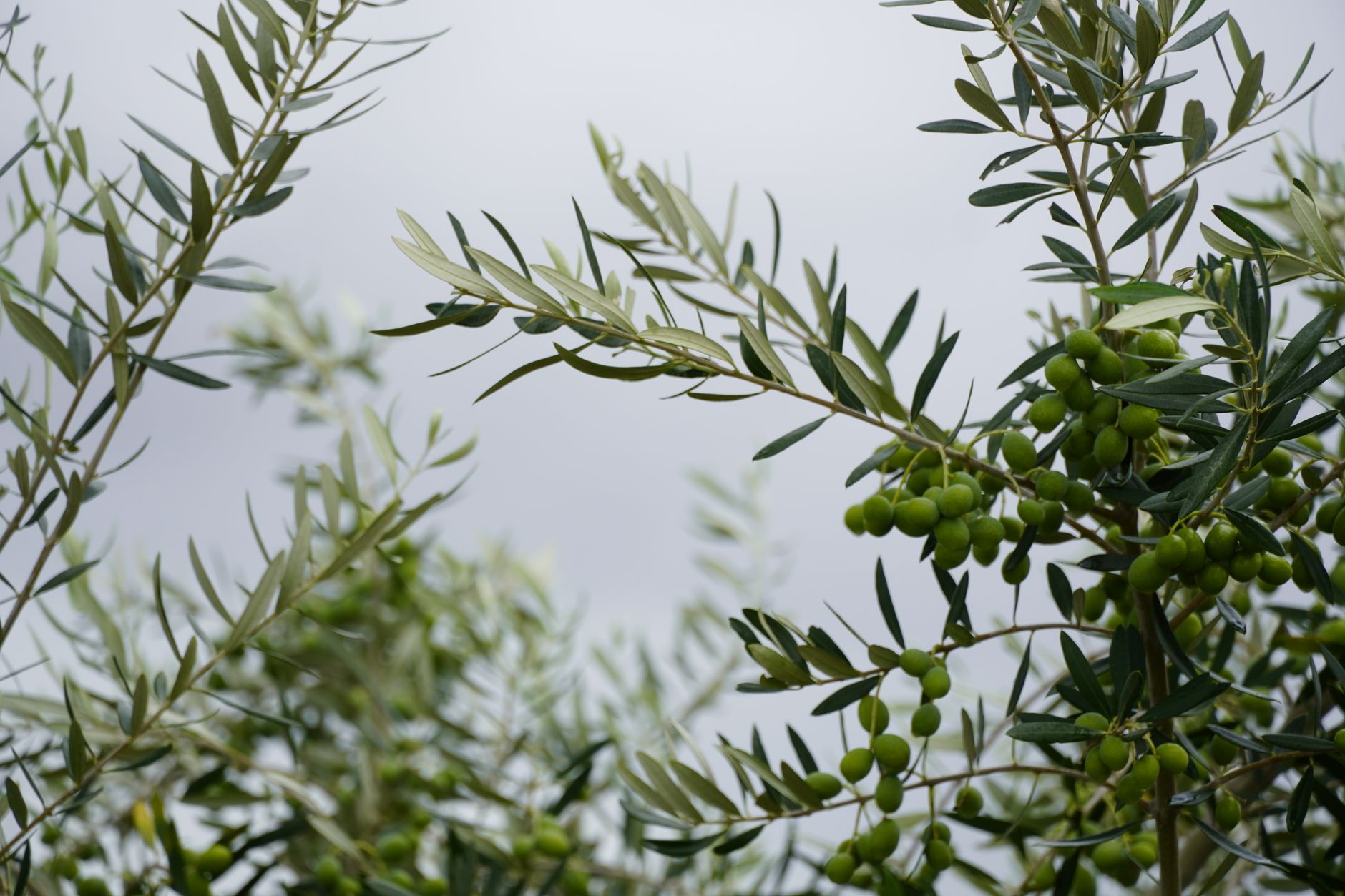
The olive cultivation project is a new initiative launched by Assam minister Pijush Hazarika aimed at boosting agricultural development in West Karbi Anglong.
Overview of the olive cultivation project
The recent launch of the olive cultivation project in West Karbi Anglong has garnered significant attention from both local communities and agricultural experts. This pilot initiative, introduced by Assam minister Pijush Hazarika, aims to explore the viability of olive farming in a region that has primarily focused on traditional crops.
As part of the project, various factors will be assessed, including:
- Soil suitability for olive trees
- Climate conditions and seasonal variations
- Market demand for olives and related products
- Potential economic benefits for local farmers
The olive cultivation project is anticipated to provide a new source of income for farmers, promoting sustainability and diversification of agricultural practices in the area. Experts believe that successful implementation could lead to improved livelihoods and boost the local economy.
Furthermore, the initiative aligns with broader objectives of enhancing food security and promoting non-traditional crops in Assam. As the pilot progresses, stakeholders will closely monitor its outcomes, determining whether olive cultivation could serve as an effective development strategy for the region’s agricultural landscape.
Impact on local farmers
The olive cultivation project in West Karbi Anglong has sparked a mix of hope and concern among local farmers. While the initiative aims to boost agricultural diversity and income, its impact on the existing farming community remains to be seen.
Many local farmers have expressed optimism about the potential benefits. They believe that the project could provide them with a new cash crop, diversifying their income sources and reducing reliance on traditional farming methods. Increased training and resources provided by the government may empower farmers to adopt modern techniques, enhancing productivity.
However, some farmers are wary of the changes that the olive cultivation project brings. They fear that the introduction of a new crop might disrupt the local ecosystem and traditional farming practices. Concerns about water usage, soil health, and market fluctuations are prevalent, as farmers strive to balance innovation with sustainability.
Furthermore, the project’s success hinges on the active participation and collaboration of the community. Local farmers are encouraged to engage in discussions and share their insights to ensure that the olive cultivation project aligns with their needs and aspirations, ultimately determining its viability as a development strategy.
Benefits of olive cultivation
The olive cultivation project brings numerous benefits to the local community, enhancing both economic and environmental aspects of the region.
Firstly, this initiative is expected to create new job opportunities, particularly for young people, who may find work in various stages of production, from planting to harvesting. This not only helps in reducing unemployment but also encourages the local population to engage in sustainable agricultural practices.
Secondly, olives have a relatively low water requirement compared to other crops, making them ideal for cultivation in regions facing water scarcity. This characteristic aligns with efforts to promote efficient resource management and sustainable farming techniques.
Moreover, the cultivation of olives can contribute to diversifying income sources for local farmers. By incorporating olive farming into their agricultural practices, farmers can reduce their reliance on traditional crops, which may be subject to market fluctuations.
Additionally, olives are known for their health benefits, rich in antioxidants and healthy fats, which can improve the nutritional standards of the local diet. This aspect supports the broader goal of promoting health and wellness within the community.
In summary, the olive cultivation project holds great promise, potentially transforming the agricultural landscape of the region while promoting sustainability and economic resilience.
Pijush Hazarika’s vision for development
Assam minister Pijush Hazarika has articulated a compelling vision for development that centers around the olive cultivation project. According to Hazarika, this initiative is not merely about agricultural diversification but serves as a potential catalyst for economic growth in the region. He believes that by promoting olive farming, local farmers can significantly enhance their livelihoods and contribute to the state’s economy.
During a recent review of development works in West Karbi Anglong, Hazarika emphasized the importance of sustainable agricultural practices. He stated that the introduction of olive cultivation could lead to job creation and increased income for families who have traditionally relied on less profitable crops. The minister highlighted the adaptability of olives to the local climate, which could make this crop a viable alternative for farmers facing the challenges of climate change.
Furthermore, Hazarika pointed out that the olive cultivation project aligns with the broader goals of enhancing food security and promoting environmentally friendly farming methods. He encouraged local communities to engage actively in this venture, stating that their participation is crucial for the project’s success. With government support and proper training, the olive cultivation project could transform the agricultural landscape of West Karbi Anglong.
Challenges in implementing the project
The olive cultivation project, while promising, faces several challenges that could hinder its success in West Karbi Anglong. One of the primary obstacles is the lack of adequate infrastructure. Many remote areas in the region suffer from poor transportation networks, making it difficult for farmers to access markets and resources necessary for olive production.
Additionally, there is a significant knowledge gap among local farmers regarding olive farming techniques. Most farmers are accustomed to traditional crops and may find it challenging to adapt to the specific requirements of olive cultivation. Training programs and ongoing support from agricultural experts will be essential to bridge this gap.
Another challenge is the climatic suitability of the region. While olives can thrive in various conditions, the unique weather patterns in Assam may not be ideal for all olive varieties. This necessitates careful selection of olive types that can withstand local environmental conditions.
Moreover, there is a risk of market volatility, which could affect the financial viability of the olive cultivation project. Farmers need assurance that there will be a steady demand for their produce to justify the investment of time and resources.
Addressing these challenges will be crucial to ensure the long-term success and sustainability of the olive cultivation project in the region.
Future prospects for agriculture in Assam
As Assam continues to explore innovative agricultural strategies, the olive cultivation project has sparked interest among policymakers and farmers alike. This initiative not only aims to diversify the region’s agricultural output but also enhances the potential for economic growth. The unique climate and topography of Assam may offer significant advantages for olive farming, making it a promising venture for the future.
Several factors contribute to the optimistic outlook for agricultural development in Assam:
- Increased Investment: The state government is actively seeking investments in agriculture, particularly in projects like olive cultivation that promise sustainability.
- Technological Advancements: With the integration of modern farming techniques, local farmers can improve yields and reduce production costs.
- Market Expansion: There is a growing demand for olive oil and related products both nationally and internationally, which could benefit local economies.
- Community Engagement: Engaging local communities in the olive cultivation project may lead to enhanced skills and knowledge, boosting overall agricultural productivity.
In conclusion, while challenges remain, the olive cultivation project presents an exciting opportunity for Assam’s agricultural landscape, potentially paving the way for sustainable development and economic resilience.
Photo by Nives Plander on Pexels