






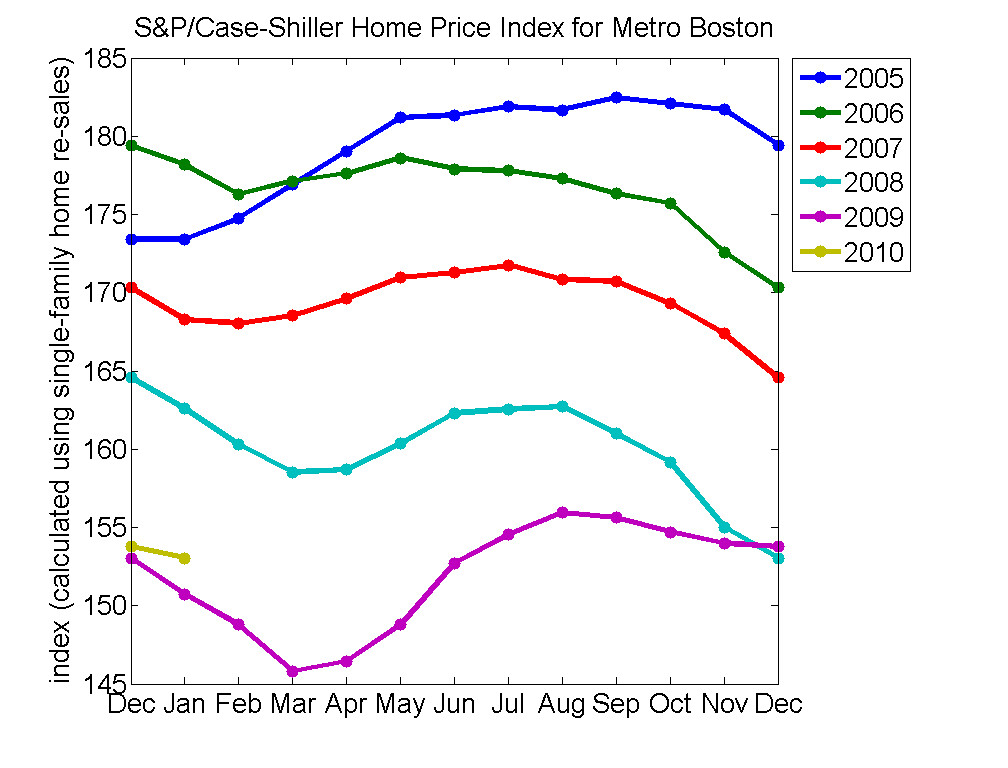
house prices have hit a fresh low as the market bunkers down for higher rates. This shift indicates significant changes in the real estate landscape.
Current State of House Prices
The current state of house prices shows a troubling trend as they hit a fresh low, indicating deeper issues in the housing market. Analysts report that the ongoing economic turbulence is causing significant fluctuations in property values, leading to uncertainty for both buyers and sellers.
Recent data reveals that house prices have dropped consistently over the past few months, influenced by various factors:
- Rising Interest Rates: Increased borrowing costs have deterred potential buyers.
- Economic Instability: Concerns about inflation and job security are impacting consumer confidence.
- Supply Chain Challenges: Delays in construction and increased material costs are affecting new home availability.
As a result, many homeowners are hesitant to enter the market, further exacerbating the decline in house prices. Experts suggest that this trend may continue as the market adjusts to the new economic realities, leaving many to wonder when stability might return.
Factors Influencing Market Trends
Several factors are contributing to the current trends in house prices, reflecting a complex interplay of economic variables. Understanding these influences is crucial for potential buyers and sellers navigating the market.
- Interest Rates: The recent increases in interest rates have significantly impacted affordability. As borrowing costs rise, many potential buyers are sidelined, leading to decreased demand.
- Inflation: Persistent inflation has eroded purchasing power, making it challenging for buyers to enter the market, and resulting in stagnant house prices.
- Supply Chain Issues: Ongoing supply chain disruptions have led to higher construction costs, limiting new housing developments and exacerbating the supply shortage.
- Remote Work Trends: The shift toward remote work has altered housing preferences, with many seeking homes in suburban areas, further influencing market dynamics.
- Economic Uncertainty: Fears of recession and economic instability have made buyers more cautious, contributing to a decrease in house prices.
These factors collectively shape the current landscape of house prices, underscoring the importance of staying informed.
Impact of Interest Rates on Housing
The impact of interest rates on housing has become increasingly pronounced in recent months, significantly affecting house prices across the country. As the Federal Reserve continues to raise interest rates to combat inflation, potential homebuyers are finding it more difficult to secure financing, leading to a notable decline in demand.
Higher mortgage rates translate to increased monthly payments, which often pushes buyers out of the market. This shift has caused a ripple effect, contributing to a downward trend in house prices. Homeowners looking to sell are facing challenges, as the reduced buyer pool leads to longer listing times and potential price reductions.
Experts suggest that the current environment may continue to suppress house prices until interest rates stabilize. Market trends indicate that many buyers are adopting a wait-and-see approach, hoping for more favorable conditions in the future. This cautious sentiment could further prolong the housing market’s recovery as individuals reassess their financial situations.
- Increased interest rates reduce affordability.
- Longer listing times for sellers.
- Buyers adopting a wait-and-see approach.
Future Predictions for Real Estate
As the real estate market grapples with the current downturn, future predictions for house prices are becoming increasingly critical for potential buyers and investors alike. Experts suggest that a combination of economic factors will shape the trajectory of housing values in the coming years.
Several key trends are expected to influence the market:
- Interest Rates: If interest rates continue to rise, borrowing costs may deter many buyers, leading to a further decline in house prices.
- Supply Chain Issues: Ongoing disruptions in construction and supply chains could limit new housing stock, potentially stabilizing prices in the long term.
- Demographic Shifts: An influx of first-time homebuyers, particularly millennials, could create demand that counteracts falling prices.
- Remote Work Trends: As remote work continues, demand in suburban and rural areas may alter traditional pricing dynamics.
Ultimately, while current trends suggest challenges ahead, shifts in consumer behavior and economic conditions could lead to unexpected changes in house prices.
Comparative Analysis of Regional Prices
Recent data reveals significant disparities in house prices across various regions, shedding light on the current housing market landscape. A comparative analysis shows that while some areas are experiencing steep declines, others remain relatively stable.
In urban centers, house prices have dropped sharply due to increased inventory and shifting buyer preferences. Conversely, suburban regions are witnessing a modest decline, as demand remains buoyed by remote work trends.
- Urban Areas: Affected by a high supply of homes and decreasing buyer interest, house prices have fallen by approximately 10% over the past year.
- Suburban Markets: These areas see a smaller decline, averaging around 4%, as families continue to seek larger spaces.
- Rural Locations: Surprisingly, many rural markets have maintained stable house prices, with some even experiencing slight growth, attributed to an influx of city dwellers.
Overall, this comparative analysis highlights the complexity of house prices in different regions, indicating that local factors play a crucial role in shaping market trends.
Buyer Sentiment in a Low Market
In the current climate of declining house prices, buyer sentiment has shifted significantly. Many potential buyers are exercising caution, influenced by the prevailing economic uncertainty and the prospect of rising interest rates. Market analysts report that this hesitance is palpable, as individuals weigh their options and consider the long-term implications of their investments.
Furthermore, the disparity between buyers’ expectations and the reality of the housing market has grown. Many are waiting for a more favorable moment to enter the market, hoping for lower prices or improved financing options. This wait-and-see approach is contributing to a slowdown in transactions, as fewer homes are being sold than in previous years.
Some buyers express concern over whether now is the right time to purchase, especially with the fear that house prices may decline further. As a result, many are opting to rent, leading to increased demand in the rental market, which may offset some of the declines seen in the housing sector.
Strategies for Home Buyers
In the current climate of declining house prices, prospective buyers must adopt strategic approaches to navigate the market effectively. Here are several key strategies to consider:
- Research Thoroughly: Understanding the local market trends is essential. Buyers should analyze recent sales data and assess comparable properties to make informed decisions.
- Be Patient: In a low market, waiting for the right opportunity can lead to significant savings. Rushing into a purchase may result in overpaying.
- Negotiate: With house prices falling, buyers often hold the upper hand. It’s crucial to negotiate offers aggressively to secure the best deal.
- Consider Financing Options: With interest rates fluctuating, exploring various financing routes can help buyers lock in favorable terms, balancing out the impact of low house prices.
- Work with Professionals: Engaging a knowledgeable real estate agent can provide insights and guidance, ensuring buyers make sound investments.
By employing these strategies, home buyers can position themselves advantageously in a challenging market.
Expert Opinions on Market Recovery
Experts in the real estate sector are weighing in on the recent downturn in house prices, providing insights into potential pathways for recovery. According to Dr. Emily Carter, a senior economist, “The current low in house prices may create opportunities for buyers, but it is crucial to understand the underlying market dynamics.”
Many analysts agree that while house prices have dropped significantly, this trend may be temporary as economic conditions shift. Mark Johnson, a noted real estate analyst, emphasizes, “We could see a stabilization in prices as consumer confidence begins to return, especially if interest rates plateau.”
Additionally, Lisa Tran, a housing market consultant, points out, “Investors are keeping a close eye on regional markets, looking for signs of recovery.”
In summary, while the current state of house prices presents challenges, many experts believe that strategic investments and changing economic factors could lead to a gradual market rebound.
By Matthew Simoneau via Openverse
Read the original
Property Prices in Wales: The Best Proven Trends Revealed · Central infrastructure projects: Proven monitoring of 1,847 projects · Is India Bhutan Development Cooperation Worth the Investment?