









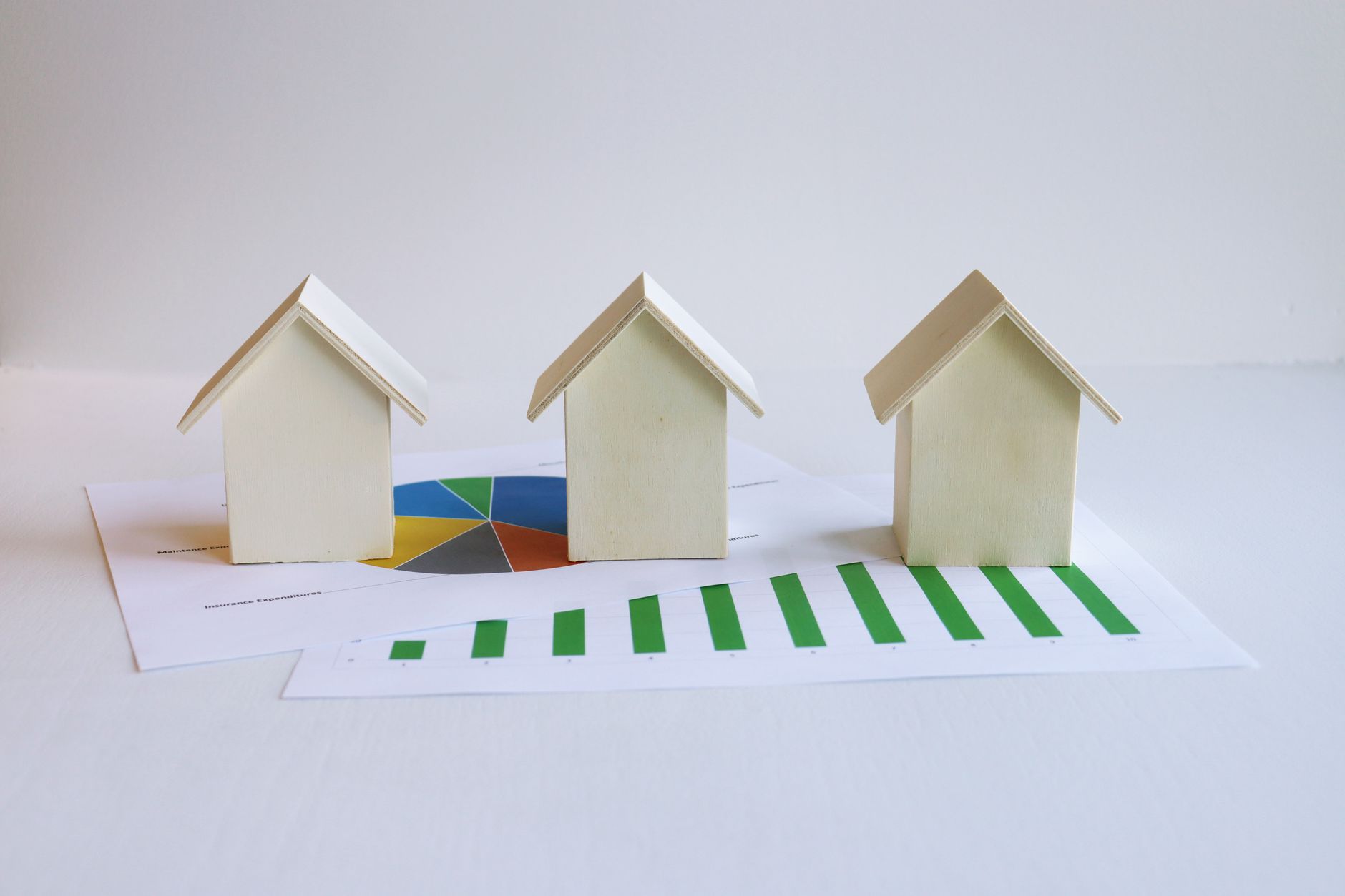
China home prices are currently facing significant weakness, which is putting pressure on the overall economy. This situation raises concerns for investors and homeowners alike.
Current State of China Home Prices
As of late 2023, the current state of China home prices reflects a concerning trend that continues to impact the broader economy. Recent reports indicate that home prices in major cities have remained stagnant or declined, contributing to a sense of uncertainty among potential buyers.
According to market analysts, several factors are contributing to this challenging environment:
- Oversupply of Properties: Many regions are experiencing a surplus of housing units, which has led to a decrease in prices as developers attempt to offload inventories.
- Weak Consumer Confidence: Economic pressures have resulted in a reluctance among consumers to invest in real estate, further suppressing demand.
- Government Regulations: New policies aimed at curbing speculative buying have resulted in stricter lending practices, making it more difficult for individuals to secure mortgages.
- Economic Slowdown: A slowing economy has raised concerns about job security, which has further dampened enthusiasm for home purchases.
The cumulative effect of these factors has left many observers worried about the future trajectory of China home prices. As the situation evolves, stakeholders are closely monitoring the market for signs of recovery or further decline, with implications for the overall economic landscape.
Factors Contributing to Weak Home Prices
The ongoing decline in China home prices can be attributed to several interrelated factors that are putting substantial pressure on the economy. Understanding these elements is crucial for grasping the current real estate landscape in the country.
- Oversupply of Housing: One significant factor is the oversupply of residential units in many cities. Developers, responding to previous demand, constructed vast numbers of properties, leading to a surplus and consequently driving prices down.
- Consumer Confidence: Weak consumer sentiment is another major contributor. Buyers are hesitant to invest in real estate due to concerns about economic stability, resulting in reduced demand for homes.
- Regulatory Measures: The Chinese government’s tightening regulations on property purchases and financing options have also played a role. These measures aim to control speculative buying but have inadvertently cooled the market.
- Macroeconomic Pressures: Broader economic challenges, including slowing growth and rising unemployment rates, are impacting household incomes. This economic uncertainty makes home buying less appealing for many potential buyers.
- Rising Interest Rates: Finally, increasing interest rates have elevated borrowing costs, making mortgages less affordable and further dissuading home purchases.
As these factors continue to intersect, they are likely to keep China home prices under pressure, influencing the overall economic outlook for the country.
Impact of Weak Home Prices on the Economy
The ongoing decline in China home prices has significant implications for the broader economy, affecting various sectors and consumer sentiment. As property values continue to stagnate, several critical trends are emerging that could hinder economic growth.
- Reduced Consumer Confidence: Weak home prices often lead to decreased consumer confidence. When homeowners see the value of their properties decline, they may feel less secure in their financial situation, leading to reduced spending and investment.
- Impacts on Construction Sector: The construction industry, a vital component of China’s economy, is feeling the strain. With fewer people willing to purchase homes, developers may slow down or halt new projects, causing job losses and further weakening economic activity.
- Financial Sector Stress: Banks and financial institutions are also affected as rising mortgage defaults become a concern. A drop in home prices can result in negative equity for homeowners, which may lead to an increase in loan defaults and financial instability.
- Local Government Revenues: Many local governments rely on land sales and property taxes for revenue. As home prices remain weak, municipalities face budget shortfalls that could impact public services and infrastructure investment.
Overall, the interplay between weak home prices and the economy underscores the urgency for policymakers to address these challenges to foster stability and growth.
Future Outlook for China’s Real Estate Market
The future outlook for China’s real estate market remains uncertain as the country grapples with persistent challenges that continue to affect home prices. Analysts predict that without significant reforms, the current trend of weak home prices may linger, further straining the economy.
Several key factors will shape the trajectory of China’s real estate sector in the coming years:
- Government Policy: The Chinese government has indicated a willingness to intervene in the market. However, the effectiveness of these measures in stabilizing home prices remains to be seen.
- Consumer Confidence: Weak home prices have dampened consumer sentiment, leading many potential buyers to delay purchases. A recovery in confidence will be crucial for revitalizing demand in the housing market.
- Economic Conditions: Broader economic indicators, including GDP growth and employment rates, will play a critical role in shaping the real estate landscape. A robust economy may support home price recovery.
- Supply and Demand Dynamics: The ongoing imbalance between housing supply and demand needs to be addressed. An oversupply of properties in certain areas could continue to exert downward pressure on prices.
In conclusion, while some experts hold a cautiously optimistic view about a potential recovery in home prices, the reality is that various interconnected factors will dictate the future of China’s real estate market.
Expert Opinions on Housing Trends
Experts in the real estate sector have raised concerns over the persistent weakness in China home prices, emphasizing its potential long-term repercussions on the broader economy. According to Dr. Li Zhang, a prominent economist, the ongoing decline in property values is closely linked to consumer confidence. “When home prices fall, potential buyers often hesitate to make purchases, fearing further declines. This creates a cycle of stagnation,” she explained.
Additionally, market analyst Wang Wei noted that the government’s previous measures to boost the housing market have yet to yield significant results. “Despite various incentives, the lack of demand remains a critical issue. Buyers are reluctant to invest in a declining market,” he stated. This sentiment is echoed by many industry insiders who believe that a turnaround is necessary for economic recovery.
Moreover, financial expert Mei Chen pointed out that the implications extend beyond just the real estate sector. “Weak home prices can lead to reduced consumer spending, as households feel less wealthy. This can have a ripple effect on various industries, ultimately slowing down economic growth,” she cautioned.
As the situation unfolds, experts urge the government to implement more targeted strategies to stabilize China home prices, which could, in turn, restore confidence among consumers and investors alike.
Recent reports indicate that declining China home prices are contributing to a slowdown in consumer spending. As the real estate market struggles, many analysts are concerned about the broader implications of falling China home prices on the national economy.
Photo by Artful Homes on Pexels
Sources
Related reading
SEMICON India 2026: The Best Proven Innovations Unveiled · Hong Kong home prices show promising 15% gain forecast · Sunset Snowcat Experience: The Best Adventure in Valle Nevado

